
Interior plantscape is entering a new era. What was once considered an added amenity or finishing touch has become a foundational design element—shaping how spaces feel, function, and perform.
As we look ahead to 2026, the direction is clear. Designers, architects, and building owners are demanding more from interior greenery: deeper integration, stronger aesthetics, and smarter systems that support both people and places. From living architecture to bold color and sculptural containers, plants are no longer passive—they’re intentional.
Here are the top interior foliage trends defining the year ahead.
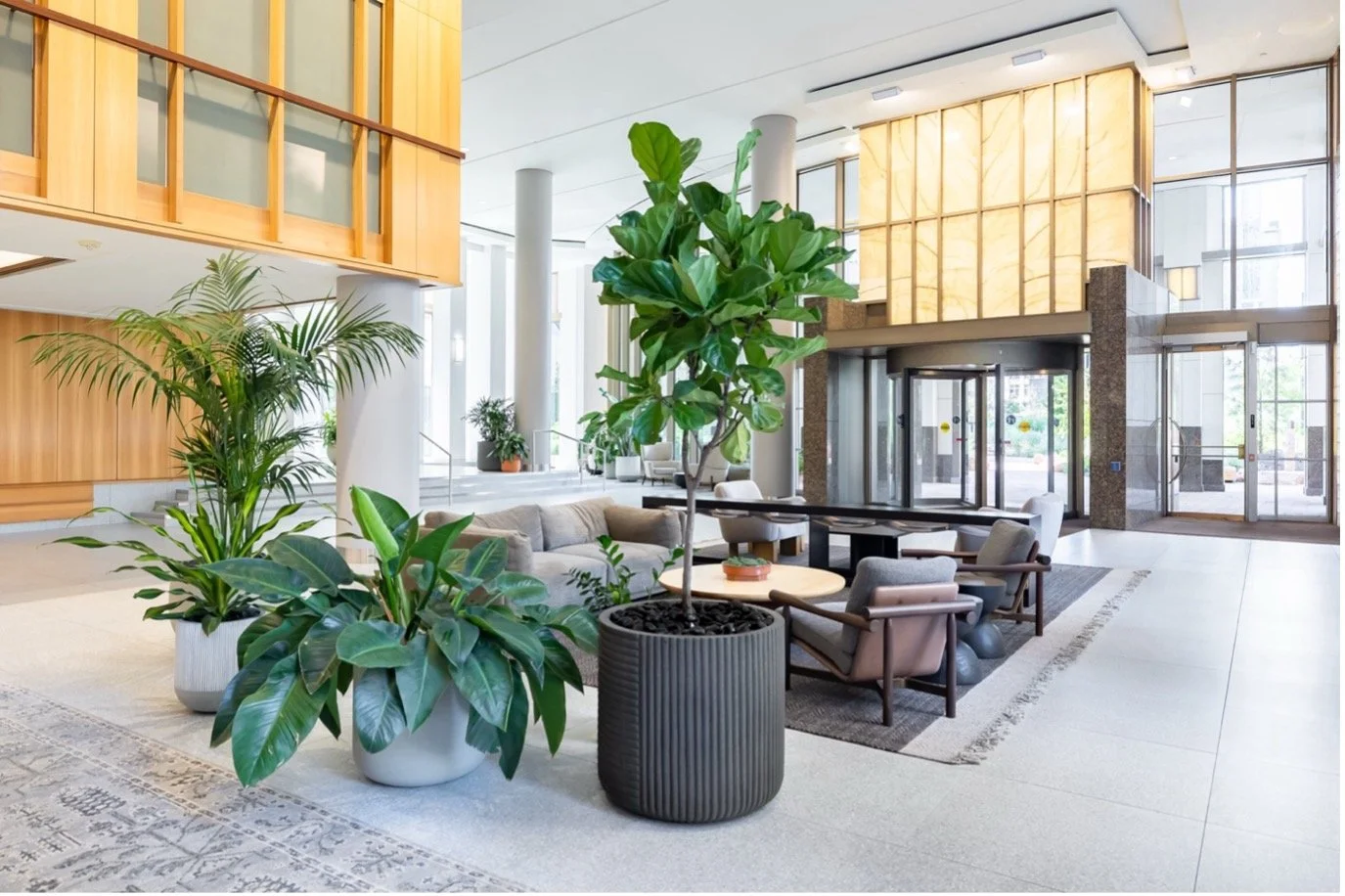
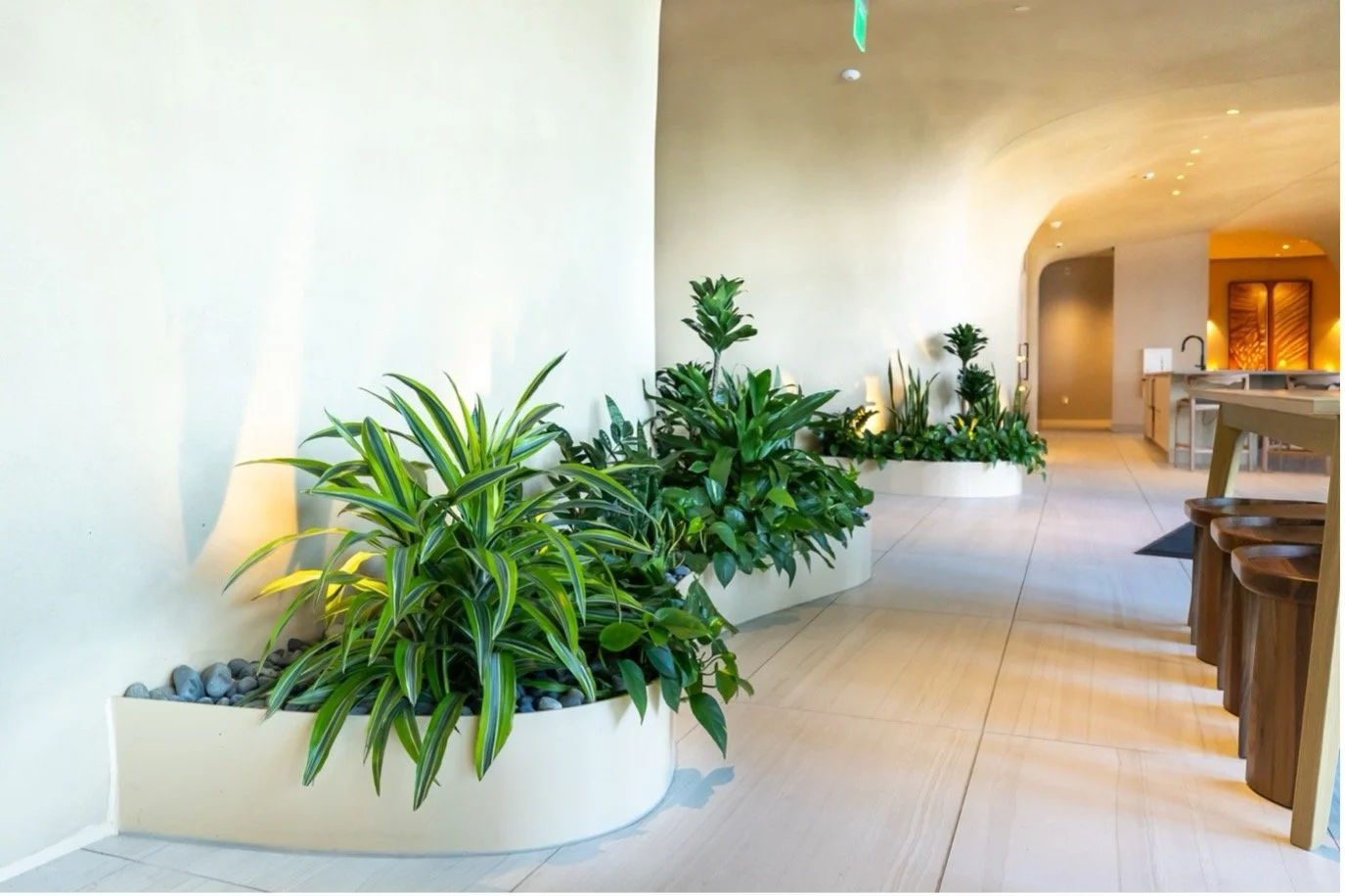
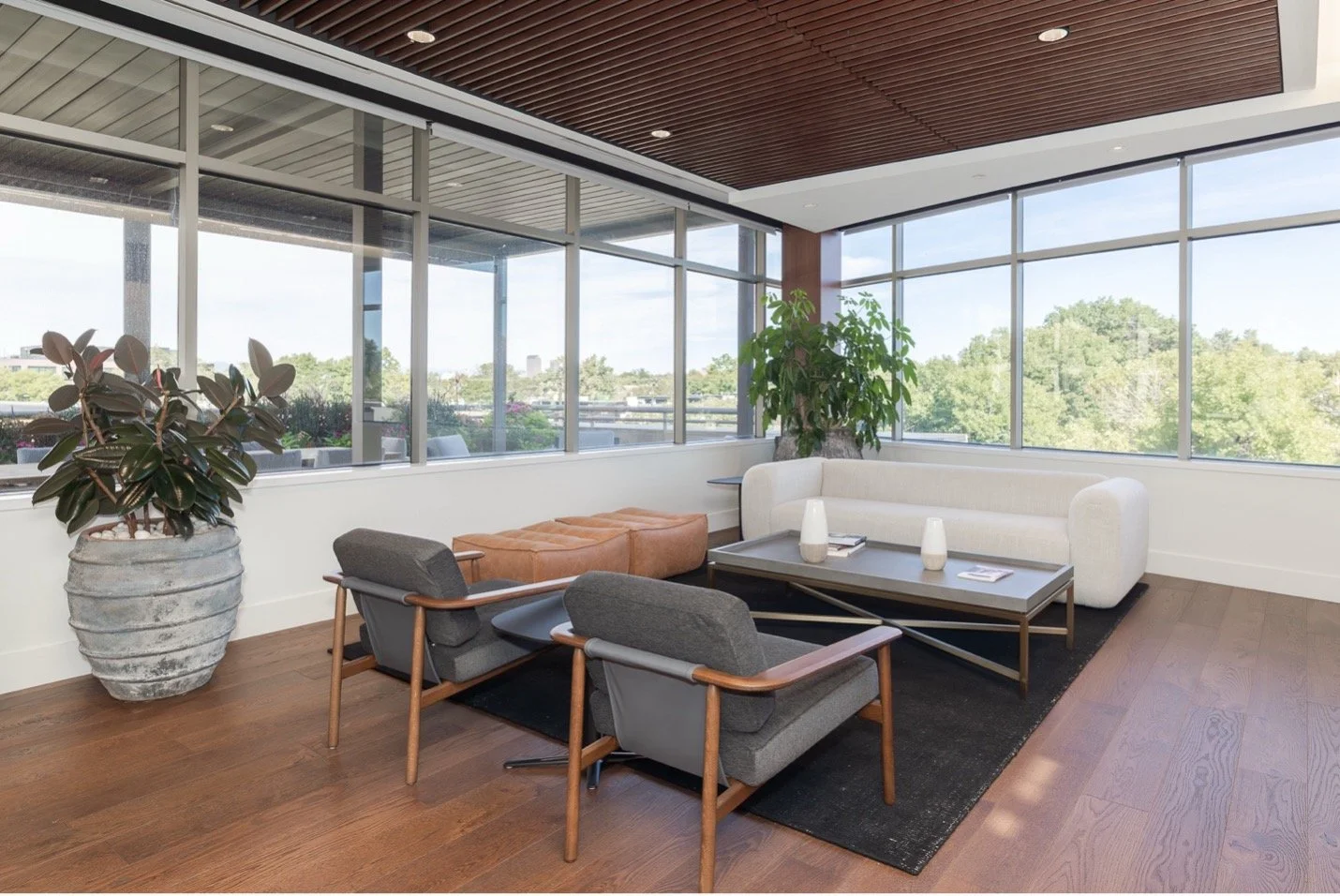
1. Biophilic Design Is Becoming Standard, Not Optional
Plants are no longer “just décor” — they’re being built into design briefs for:
Well-being & mental health support The Hidden Superpowers of Office Plants: Why Every Workplace Needs Greenery
Improved indoor air quality
Connection to nature for hybrid/office spaces
Designers and developers are specifying plants earlier in construction documents rather than as an afterthought. From Concept to Installation: How We Collaborate with Interior Designers & Architects
2. Vertical Greenery as Living Architecture
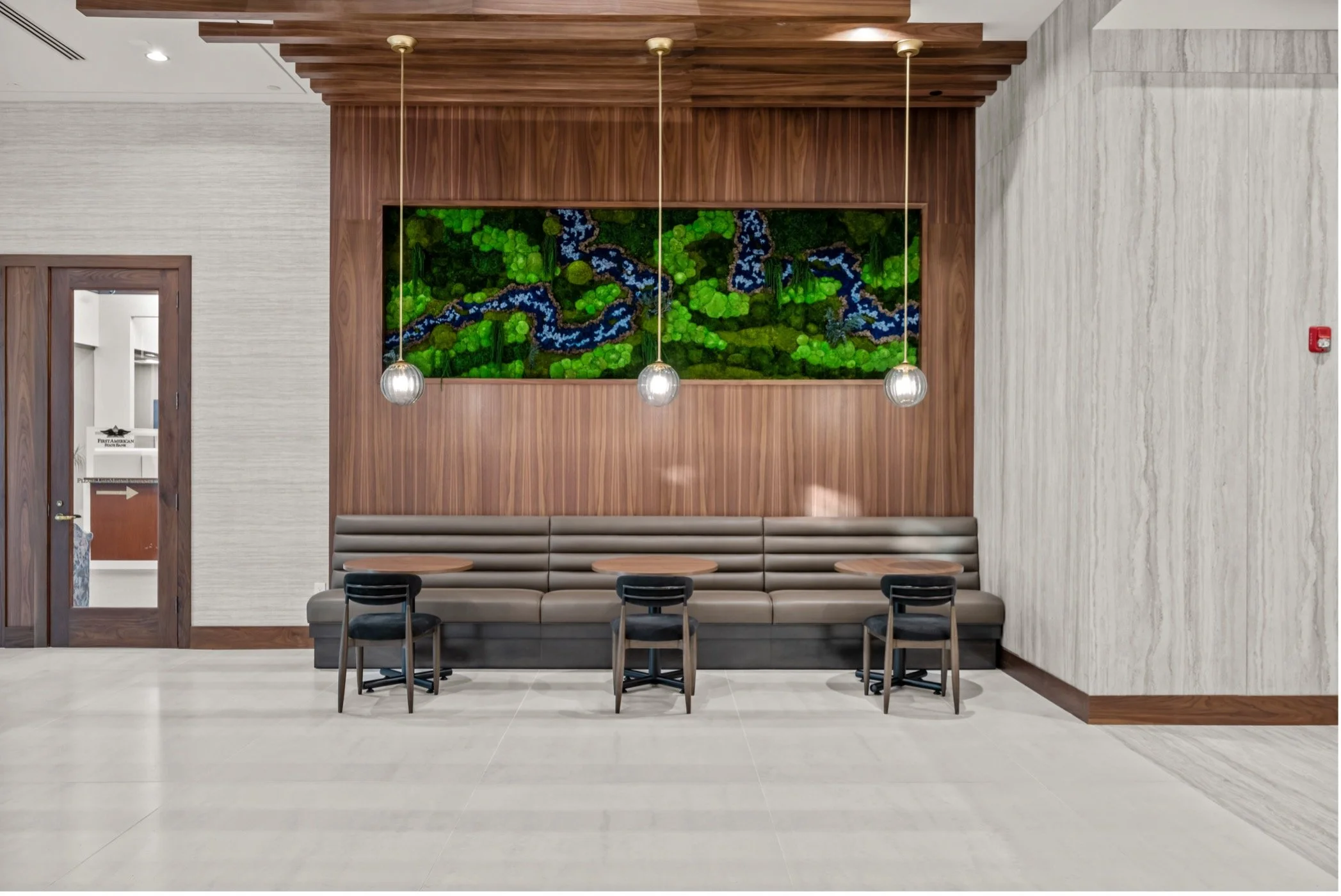
Vertical greenery is evolving beyond traditional greenwalls into immersive, architectural statements that define a space. Inspired by concepts like living libraries, layered plant facades, and botanical backdrops, these installations function as both design features and spatial experiences.
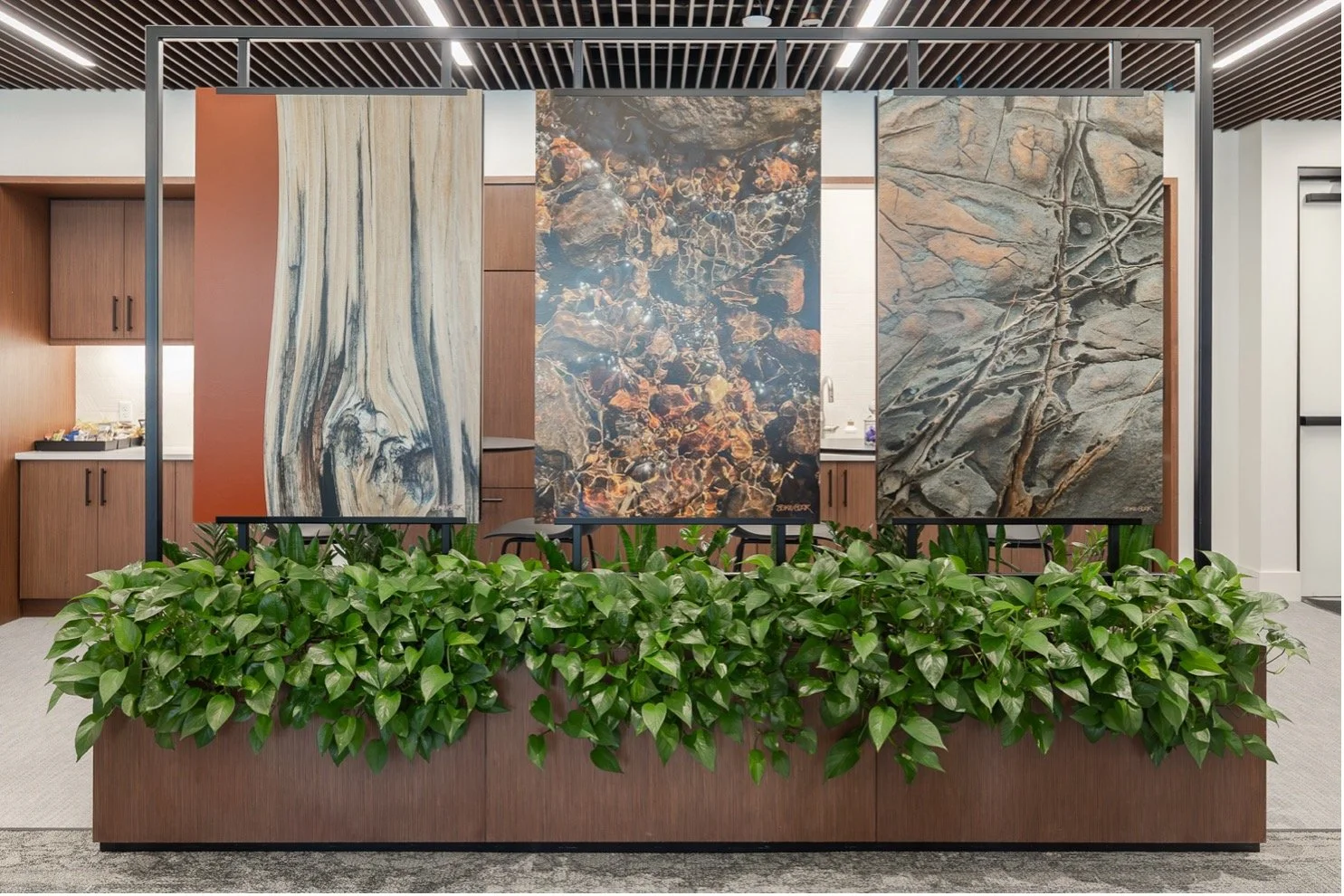
Multi-dimensional vertical gardens that blend plants with shelving, niches, art, wood, stone, and integrated lighting
Responsive living walls that interact with light, moisture, and seasonal conditions—creating movement and variation over time
Modular, serviceable vertical systems designed for longevity, adaptability, and ease of maintenance
As vertical greenery becomes more ambitious and integrated, the conversation is shifting: how a wall lives over time matters just as much as how it looks on day one. Ongoing care, access, and performance are now core to the design—not an afterthought.
\
\
3. Elevated Aesthetic Planting as Brand Expression
Interior plantscape is shifting from simple greenery to curated, design-led installations that reinforce brand identity and elevate the overall experience of a space. Plants are no longer fillers—they are intentional, visual statements.
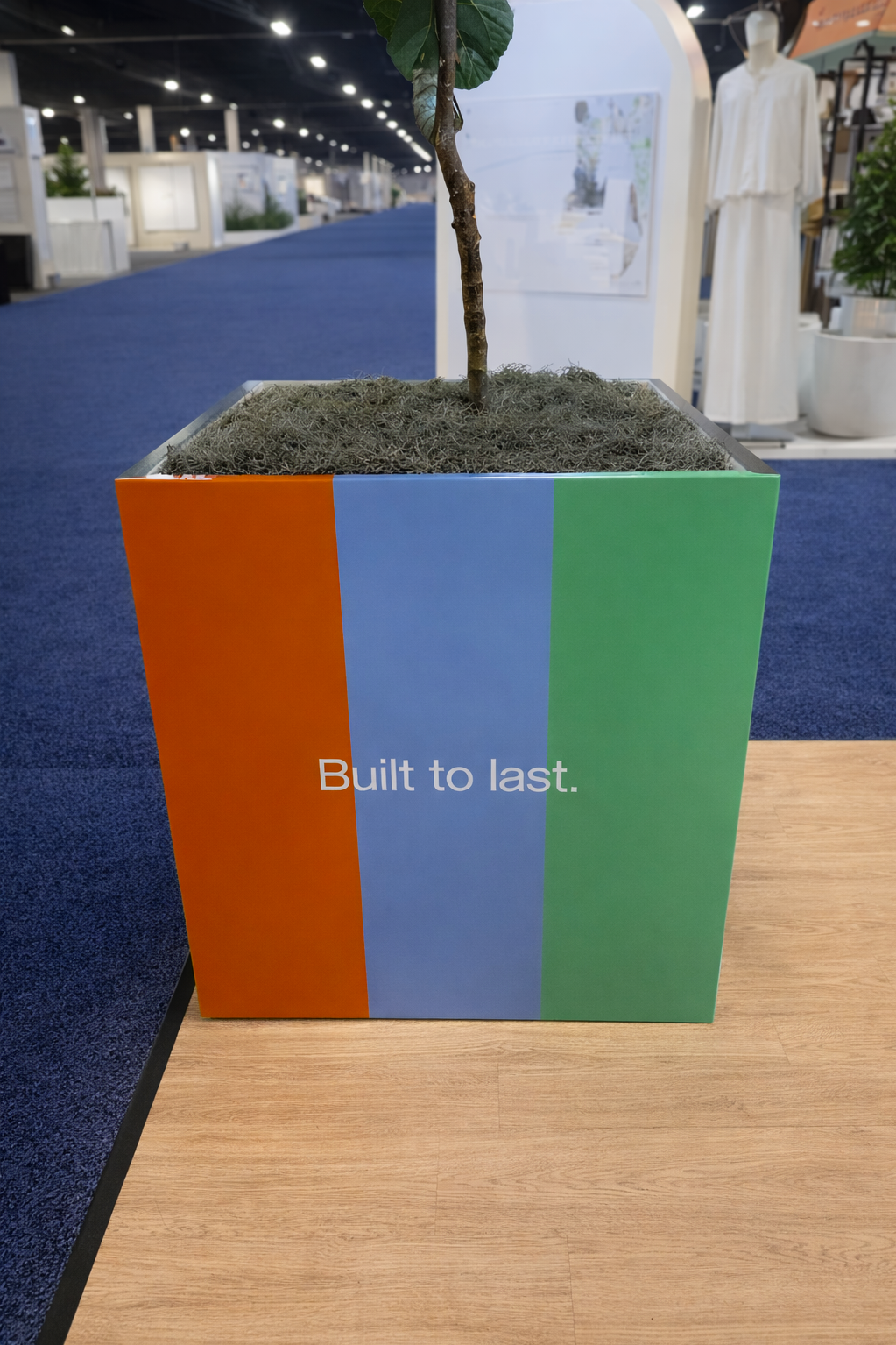
Branded and color-coordinated planters that reflect company identity and can even support subtle wayfinding throughout an office or campus
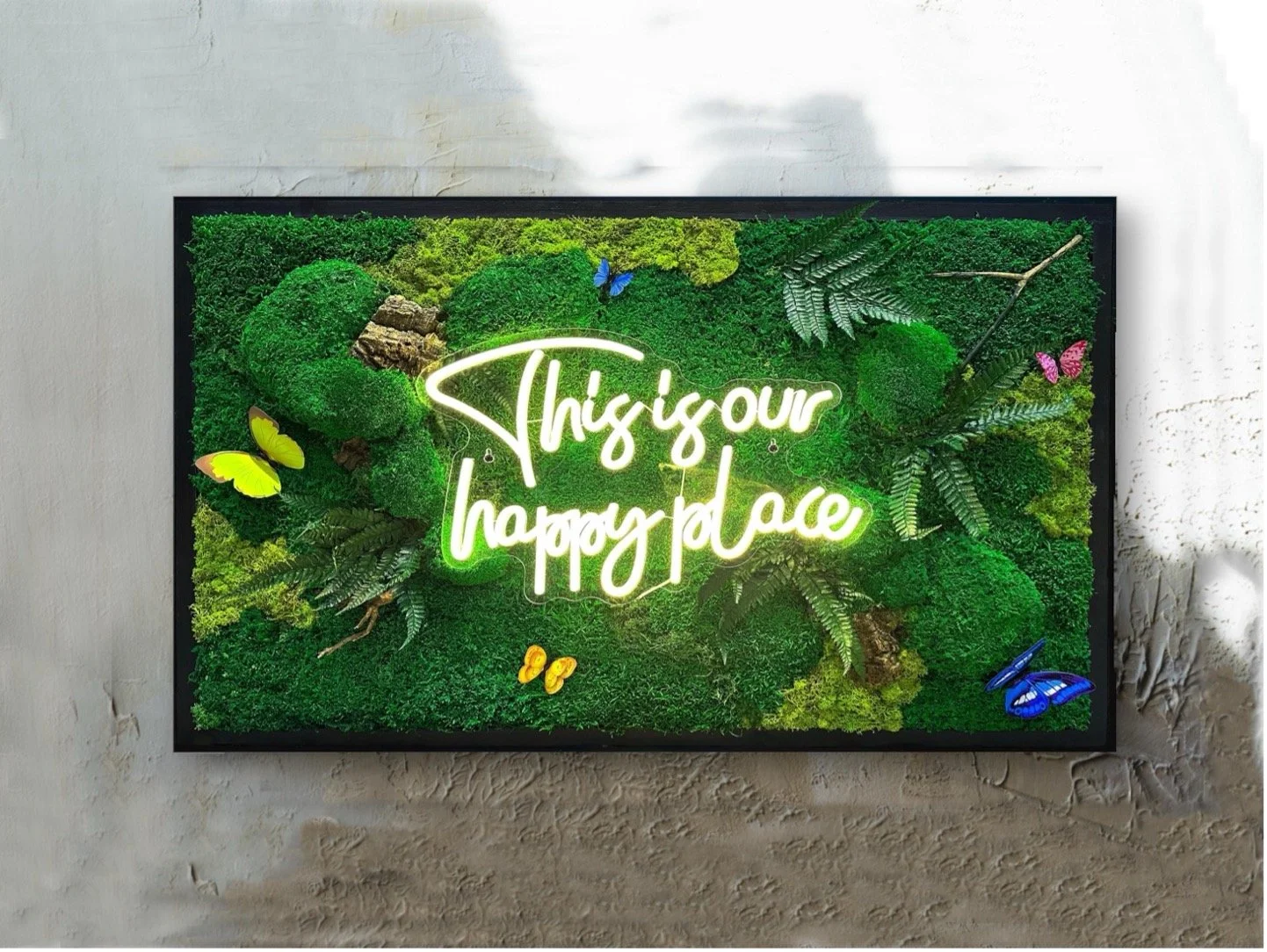
Instagram-worthy focal moments, such as moss walls, signage integrations, and sculptural plant features designed to be photographed and shared
Architectural, sculptural arrangements that replace the traditional “jungle look” with cleaner lines and purposeful placement
As aesthetics become more refined, planting is increasingly treated as part of a brand’s visual language—working alongside lighting, furniture, and signage to create spaces that feel cohesive, memorable, and modern.
4. Color Is Back
After years of neutral palettes, interior plantscapes are embracing bold, intentional color. Designers are moving away from beige, ivory, and all-white containers in favor of rich, saturated planter tones that add energy and personality to a space.
Colorful planters in hues like rust, forest green, clay, deep blue, and muted jewel tones are being used as statement pieces rather than background elements
Color-forward foliage—including pencil cactus, crotons, Ficus ‘Burgundy’, and other vibrant varieties—adds contrast, texture, and visual interest
Seasonal or rotating color programs allow plant displays to evolve throughout the year, keeping spaces fresh while maintaining a cohesive design
Color is no longer reserved for art or furniture—foliage and containers are becoming a primary way to introduce warmth, vibrancy, and visual rhythm into interior environments
5. Containers as Design Objects
\
Recent product launches across the design world are signaling a clear shift: functional elements are now expected to carry aesthetic and experiential value. In interior plantscaping, this is showing up most strongly through containers.
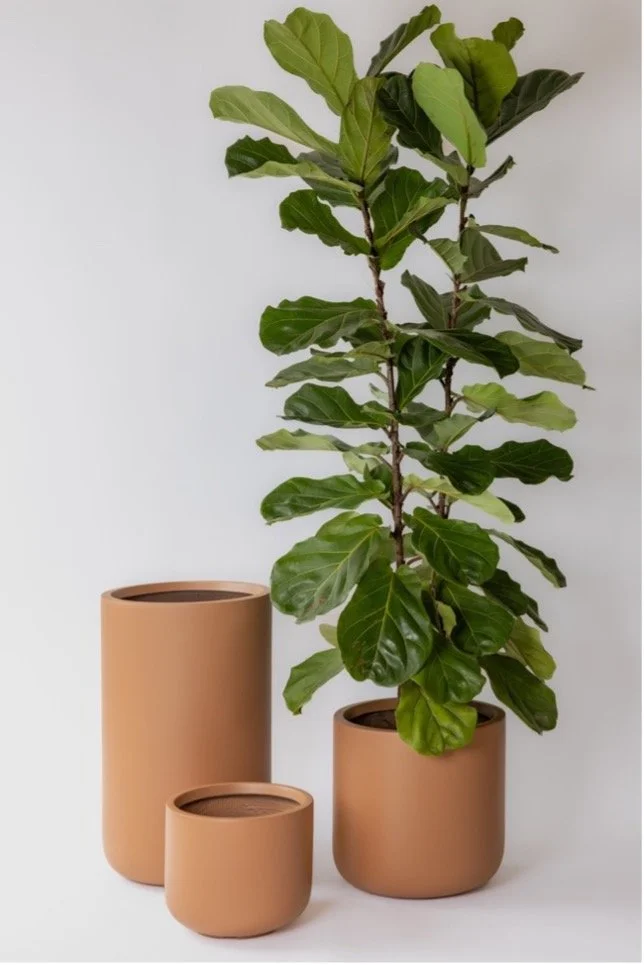
Planters are no longer neutral backdrops—they’re being designed as architectural objects that contribute texture, materiality, and visual weight to a space.
Statement containers with sculptural forms, bold finishes, and refined materials act as focal points, not accessories
Material-driven design, where planters echo surrounding finishes like wood, stone, metal, or concrete to feel fully integrated into the space
Modular and adaptable container systems that allow layouts to evolve as workplaces, hospitality spaces, and common areas change
As interiors become more layered and experience-driven, containers are playing a bigger role in how greenery is perceived. The planter itself is now part of the design conversation—working alongside furniture, lighting, and architecture to create cohesive, intentional environments.
Looking Ahead
As interior foliage continues to evolve from simple décor into an essential design element, the spaces we create in 2026 will be more intentional, immersive, and experience-driven than ever before. From living architecture and elevated aesthetics to bold color and sculptural containers, greenery is shaping how people feel, work, and connect within a space. At Bristol Botanics, we’re excited to lead this next chapter of plantscaping by designing environments that are not only beautiful, but thoughtfully integrated and built to thrive long term. Whether you’re planning a new build, refreshing an existing space, or exploring what modern greenery can do for your brand, now is the perfect time to reimagine what interior foliage can become.