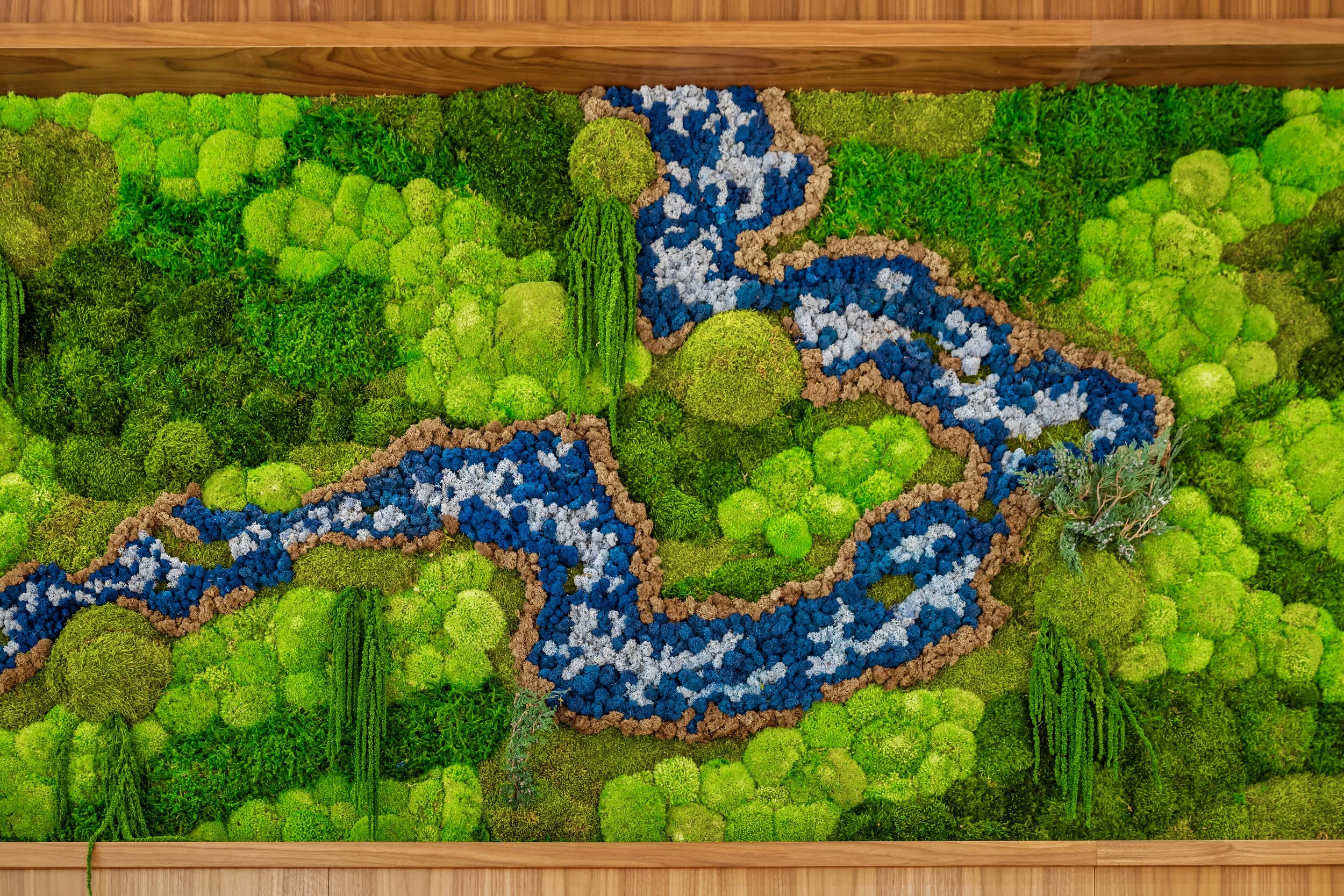
One of the most common questions we hear when someone encounters a moss wall for the first time is simple: How do you keep it alive? It’s an understandable assumption. Moss walls look vibrant, textured, and unmistakably natural. Many people assume they are living installations similar to vertical gardens or plant walls.
The surprising answer is that most interior moss walls are not alive at all.
Instead, they are made from real moss that has been carefully preserved, allowing designers to bring the beauty of nature into spaces where living plants may not always thrive. Far from being a compromise, this preservation process is what makes moss walls one of the most versatile and compelling elements in modern interior design.
What Preserved Moss Actually Is
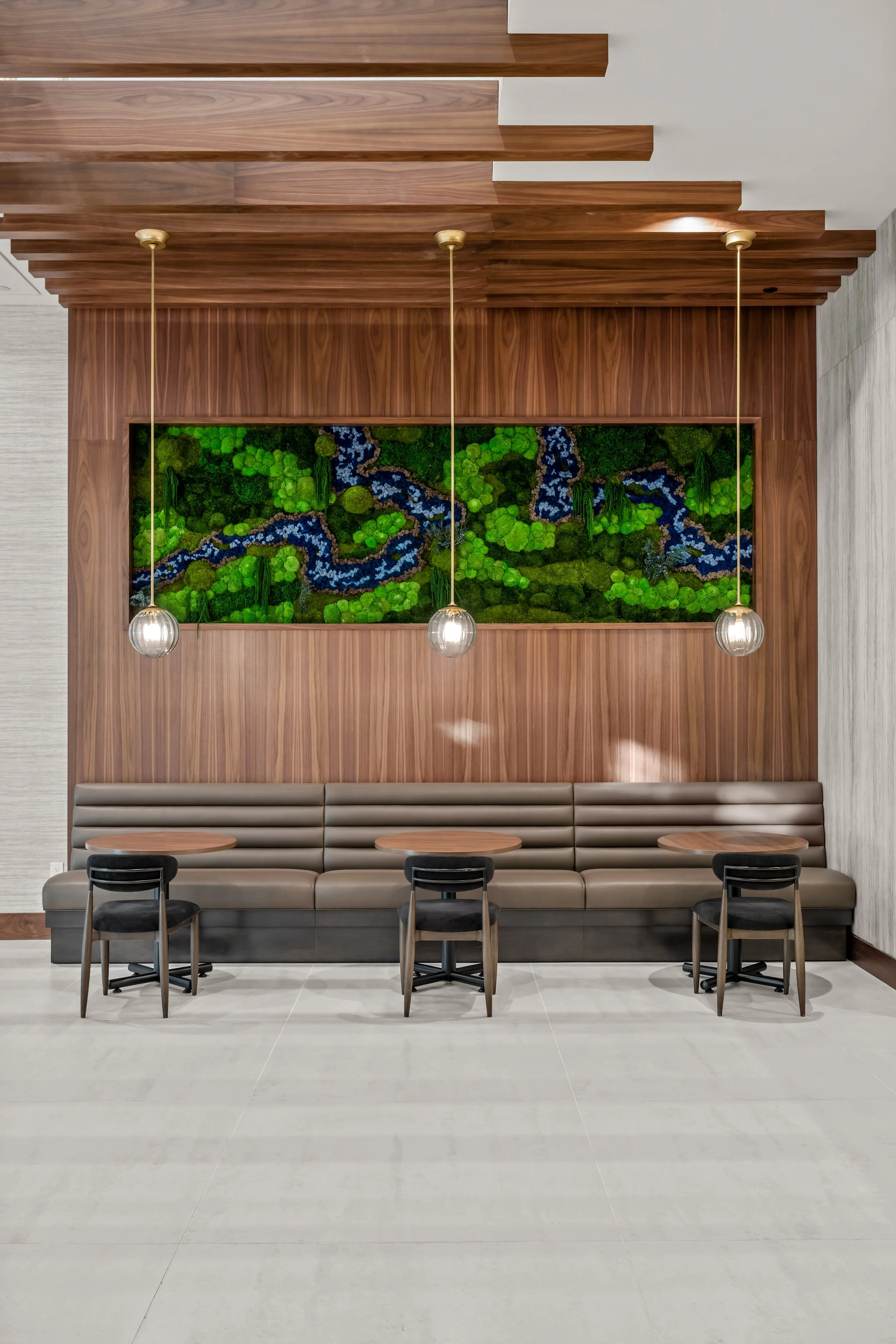
The moss used in moss wall installations begins as natural moss harvested from forest environments where it grows abundantly. After harvesting, the moss goes through a preservation process that replaces its natural moisture with a plant-based solution. This process stabilizes the moss, allowing it to retain its color, softness, and structure without continuing to grow. The result is a natural material that looks and feels organic, but no longer requires the conditions that living plants need to survive.
Because of this, preserved moss does not require:
sunlight
soil
irrigation
trimming or pruning
What remains is the visual beauty of moss itself: its layered textures, rich green tones, and organic forms. Importantly, preserved moss is not artificial foliage. It is still real moss, simply stabilized so it can exist in interior environments long-term.
Why Designers Love Moss Walls
In many modern interiors, architecture tends to emphasize hard materials. Glass, steel, stone, and polished surfaces often dominate contemporary spaces. Moss walls introduce something entirely different. They bring softness and texture, adding depth where walls might otherwise feel flat or rigid. The irregular forms of moss contrast beautifully with clean architectural lines, creating a visual balance between nature and structure.
Color also plays an important role. Green is one of the most visually calming colors in nature, and incorporating it into interior spaces can help environments feel more welcoming and comfortable. Because moss has natural variation in tone and texture, it adds an element that manufactured materials cannot easily replicate.
In many ways, moss functions like a natural textile for the wall, introducing warmth and dimension without overwhelming the surrounding design.
Moss Walls vs. Living Plant Walls
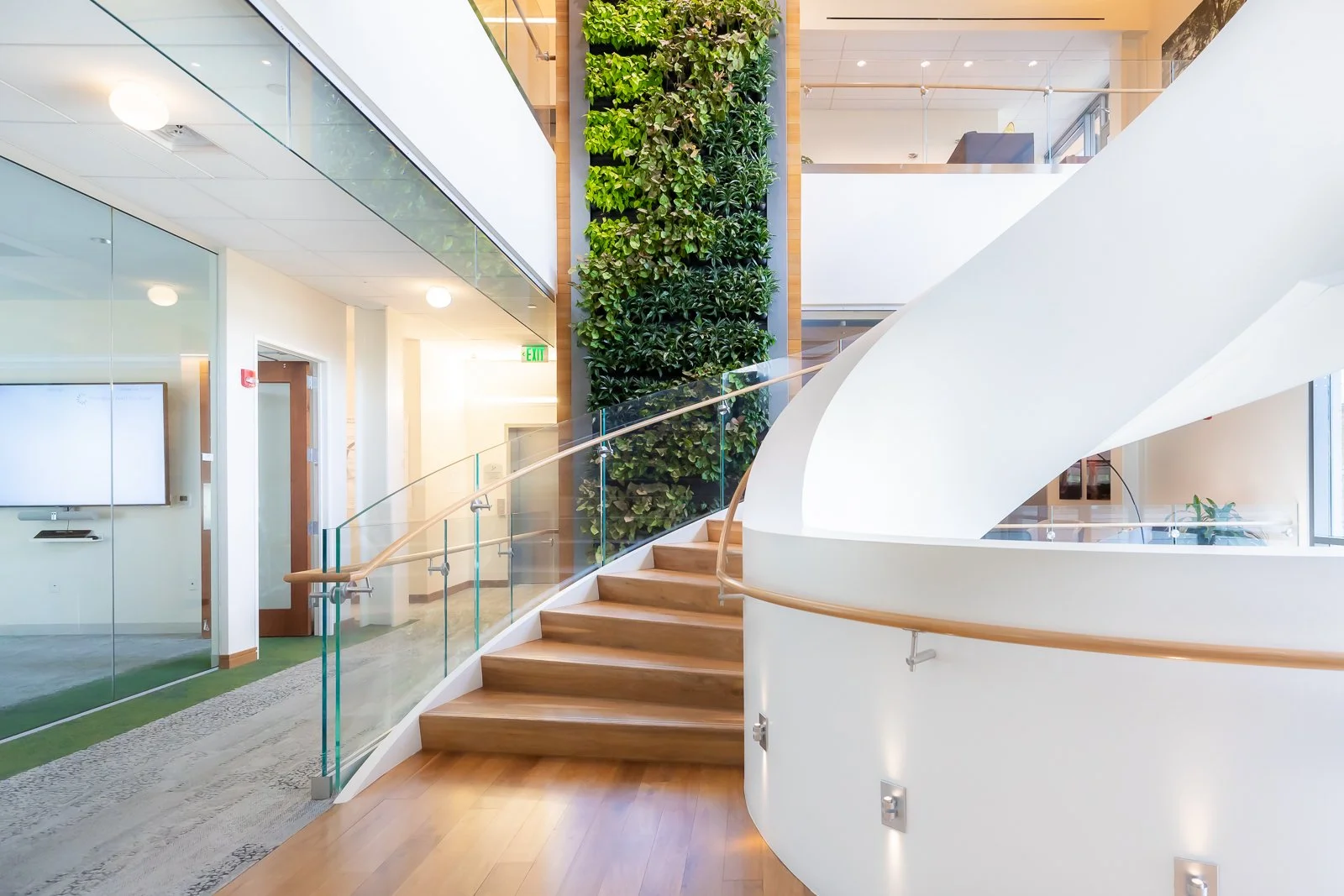
People often compare moss walls with living vertical gardens, but the two serve very different purposes. Living plant walls are dynamic ecosystems. They require irrigation systems, specialized lighting, ongoing plant care, and regular maintenance to remain healthy. When properly maintained, they can create lush and vibrant living environments. However, living walls are not always practical in every interior. They depend on light conditions, water access, and consistent horticultural maintenance. Without those factors, plant health can quickly decline.
Moss walls offer a different solution. Because preserved moss no longer requires light or water, it can be installed in locations where living plants would struggle to survive. Hallways, interior lobbies, conference rooms, and other low-light environments are all ideal candidates.
Rather than replacing living walls, moss installations expand the possibilities for incorporating nature into spaces where traditional plant systems may not be feasible.
The Hidden Benefits: Acoustics and Simplicity
Beyond their visual impact, moss walls can also offer functional benefits. One often overlooked advantage is their ability to help soften sound. The textured surface of moss absorbs and diffuses noise, which can help reduce echo in larger interior spaces.
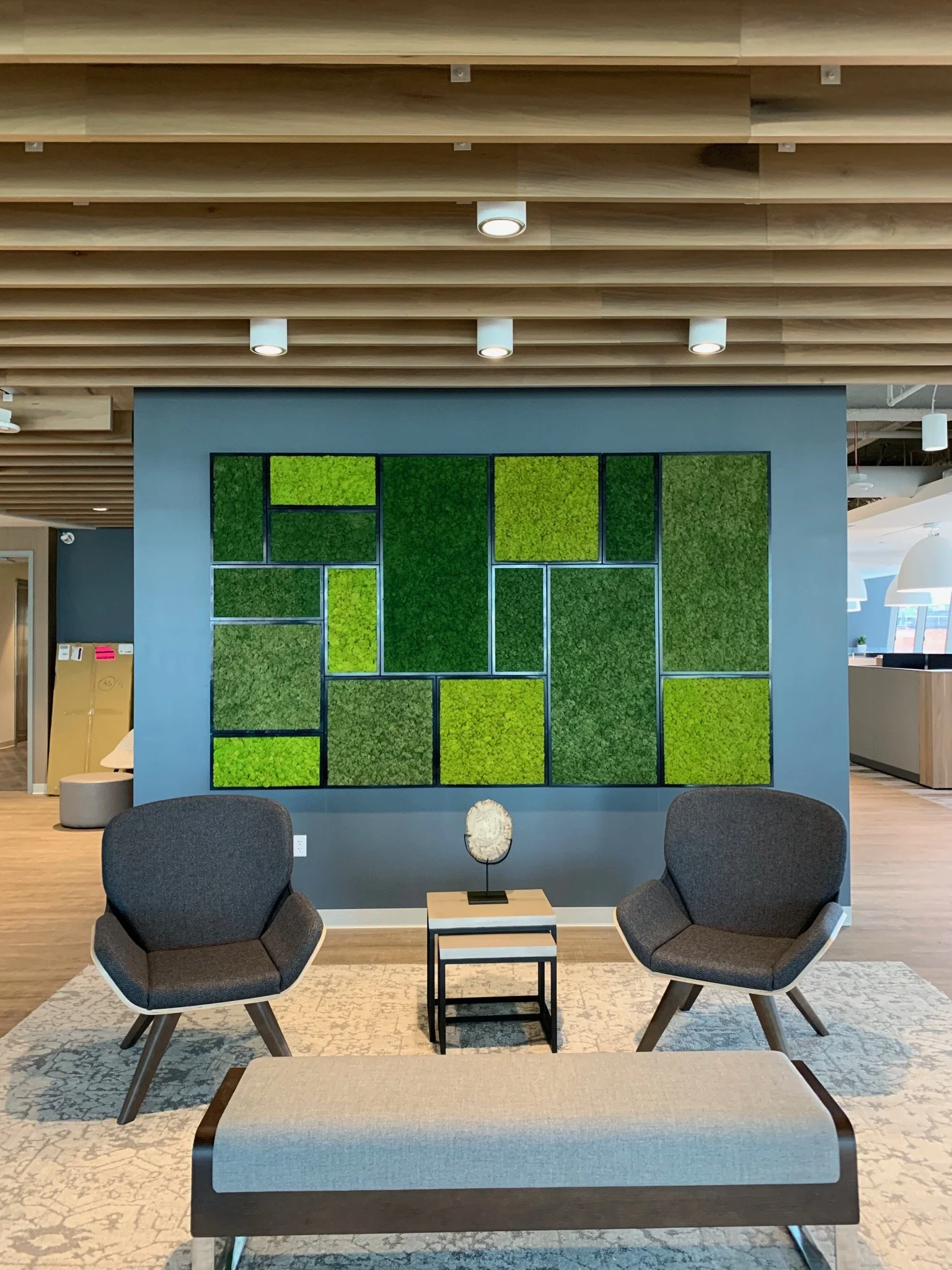
This makes moss walls particularly valuable in environments such as:
offices
conference rooms
hospitality spaces
corporate lobbies
The result is a space that not only looks more natural but can also feel more comfortable acoustically.
Maintenance is another significant advantage. Because preserved moss does not grow, it requires very little upkeep. Unlike living plant installations, moss walls do not require watering, fertilization, pruning, or lighting adjustments. Typically, care is limited to occasional gentle dusting and avoiding prolonged exposure to direct sunlight or high humidity.
For many commercial environments, this simplicity makes moss installations an attractive long-term design solution.
Where Moss Walls Work Best
Because they require minimal environmental conditions, moss walls can be used in a wide range of interior settings. They are especially effective in places where designers want to introduce natural elements but cannot rely on living plants.
Common applications include:
corporate lobbies and reception areas
brand feature walls
office corridors and conference rooms
hospitality and restaurant environments
healthcare and wellness spaces
In many cases, moss walls are also used to create custom patterns, logos, or sculptural installations that reinforce a company’s brand identity. The flexibility of preserved moss allows designers to treat it almost like a natural material palette, shaping it into forms that complement the surrounding architecture.
Nature Where Living Plants Can’t Go
At its core, the appeal of moss walls lies in their ability to bridge the gap between architecture and nature. Many interior spaces lack the natural light or environmental conditions needed for living plants to thrive. Moss walls offer a way to introduce natural texture and greenery without those limitations. They bring the presence of nature indoors while remaining stable, adaptable, and visually striking.
For designers seeking to create environments that feel both modern and grounded in natural materials, moss walls provide a unique solution. They remind us that sometimes the most compelling design elements come not from replicating nature exactly, but from finding thoughtful ways to bring its essence into the spaces we inhabit every day.