
Top 5 Office Plants That Thrive Indoors
Not all offices are built the same, and neither are the plants that thrive in them. Whether you’re brightening a reception area or adding life to a low-light hallway, the right greenery makes all the difference.
Plants don’t just add aesthetic appeal to an office. They influence mood, productivity, and even perceived professionalism. With the right selections, plants can soften sterile environments, improve acoustics, and give a refreshing contrast to modern materials like concrete, steel, and glass. Here’s a closer look at five plants we frequently recommend and install in commercial settings across Denver and surrounding areas.
1. Pothos ‘Gold’ (Devil’s Ivy)
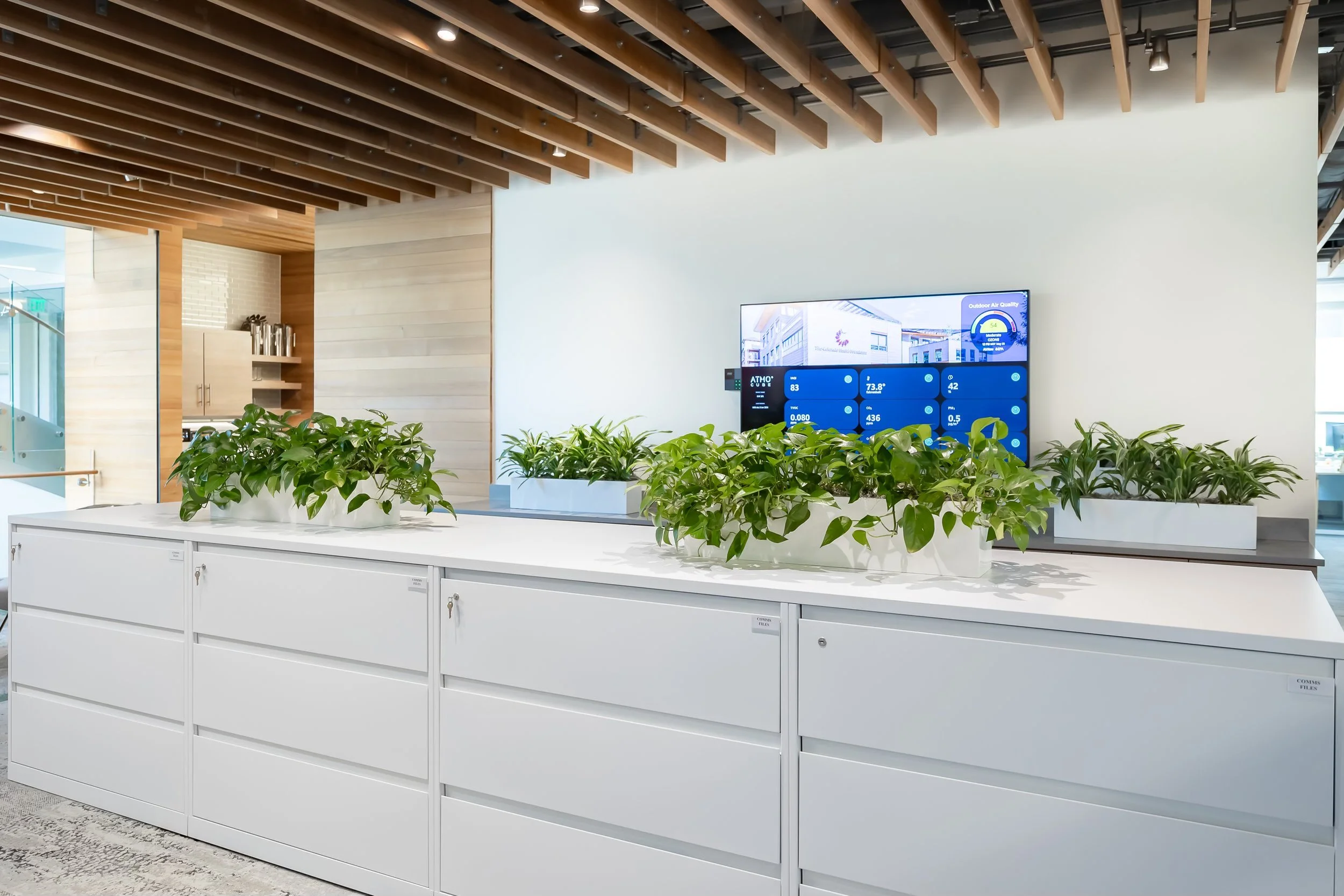
Light Needs: Low to bright, indirect light
Watering Tip: Water when the top inch of soil feels dry. Pothos can tolerate some neglect and still thrive.
Why it works in offices: This trailing plant is easy to grow, adaptable to various lighting conditions, and looks great in hanging baskets or on shelves.
2. Ficus Lyrata (Fiddle Leaf Fig)
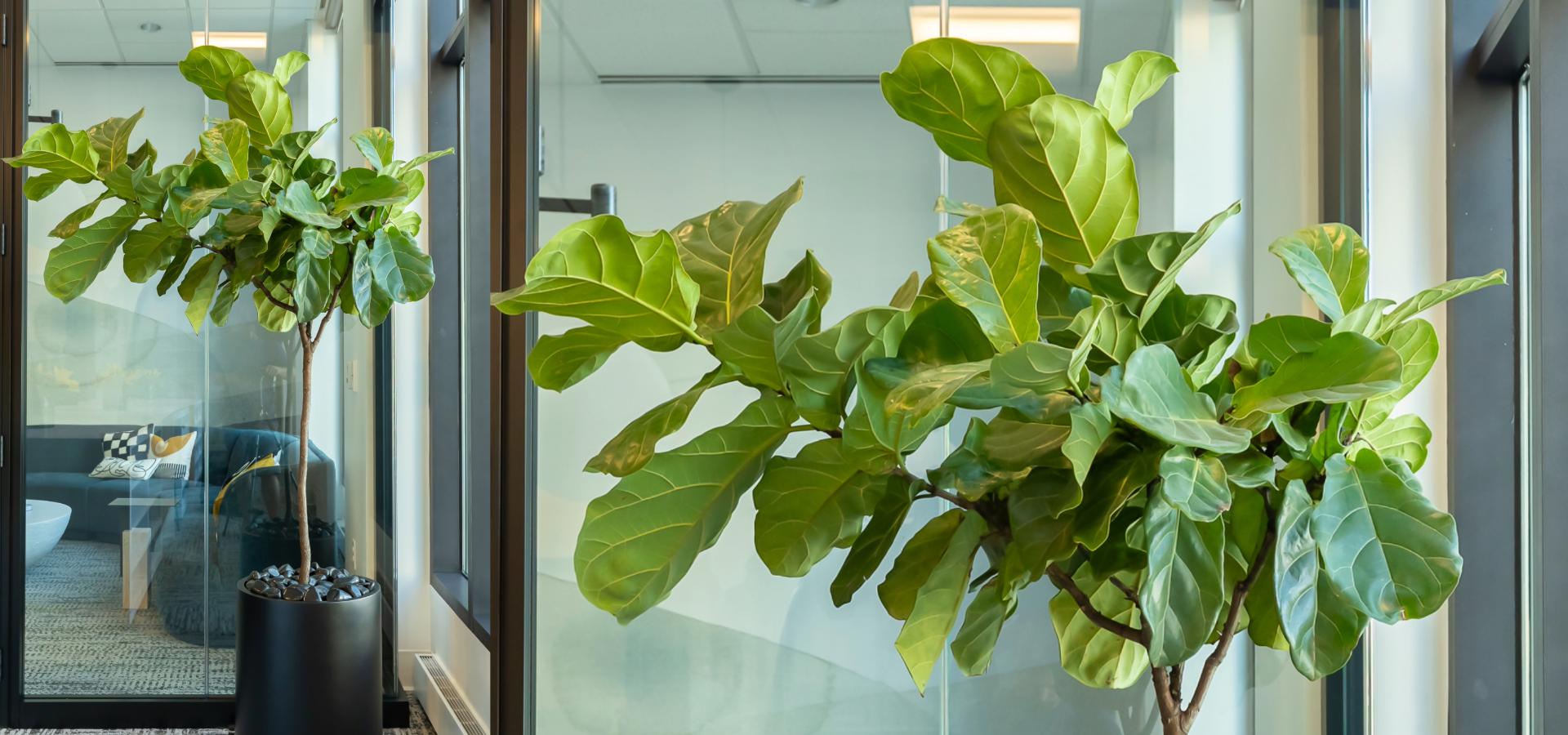
Light Needs: Bright, indirect light (close to a sunny window is ideal)
Watering Tip: Let the soil dry slightly between waterings. Drooping leaves can signal over- or underwatering.
Why it works in offices: With large, violin-shaped leaves and upright growth, this plant makes a statement in open lobbies, corners, or shared spaces.
3. Zam Zam (ZZ Plant)
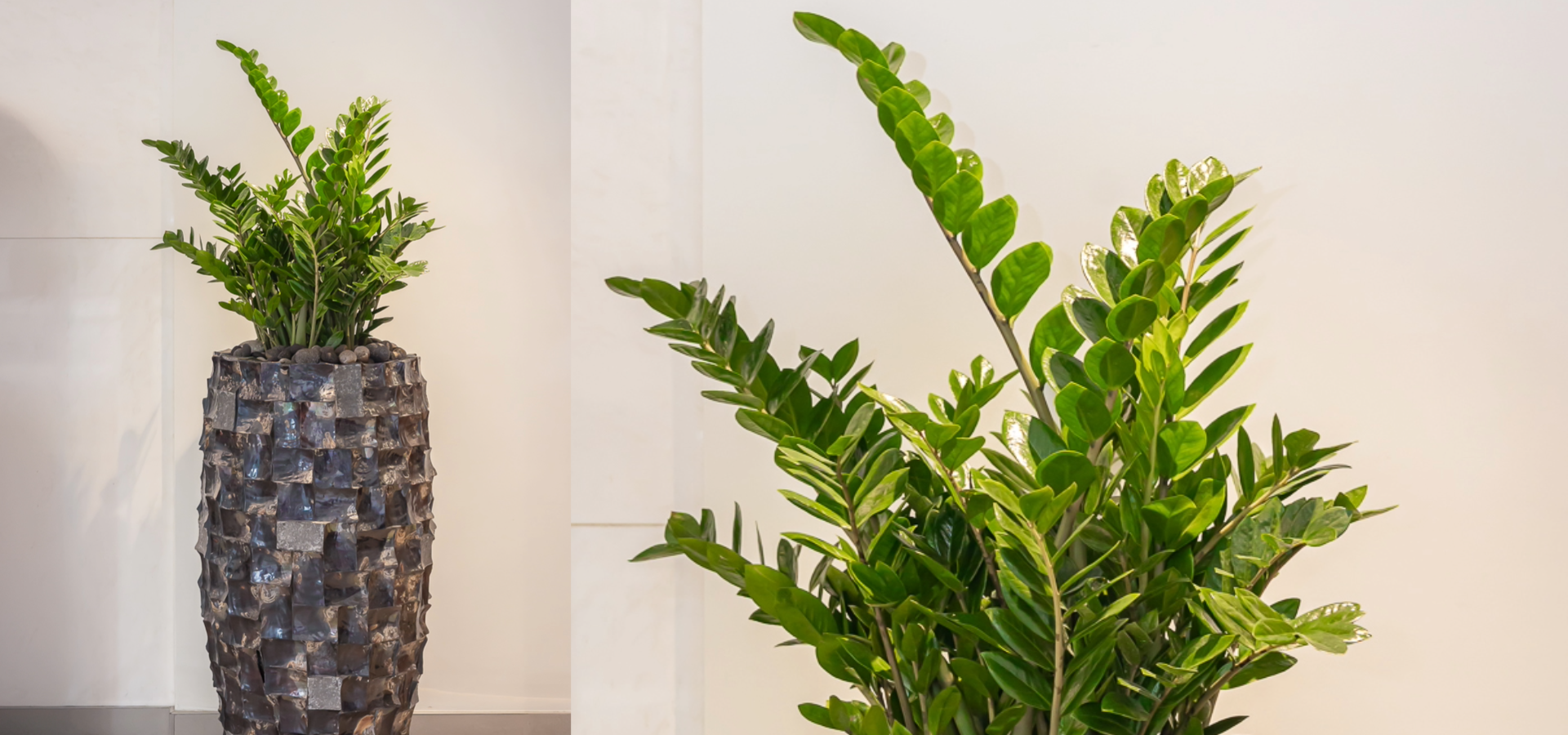
Light Needs: Low to bright, indirect light
Watering Tip: Very drought-tolerant. Water when the soil is completely dry. Yellowing leaves can be a sign of overwatering.
Why it works in offices: One of the toughest indoor plants, the ZZ thrives in low light and low attention, perfect for desks or interior hallways.
4. Bird of Paradise
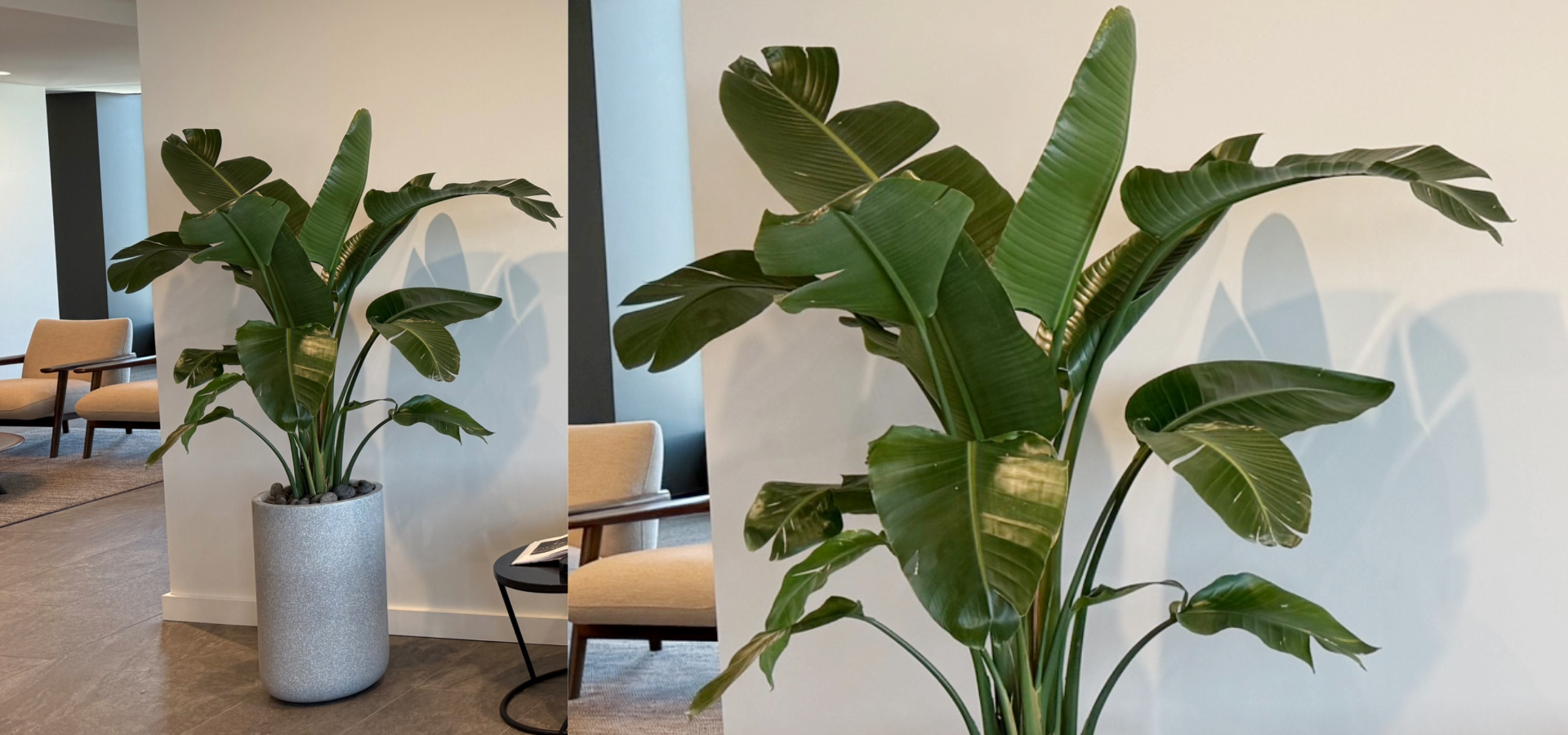
Light Needs: Bright, indirect light to full sun
Watering Tip: Water when the top inch of soil is dry. Brown leaf edges may indicate low humidity or inconsistent watering.
Why it works in offices: Its tall structure and broad, graceful leaves add drama and height to a room — a favorite for modern entryways and open-plan layouts.
5. Sansevieria laurentii (Snake Plant)
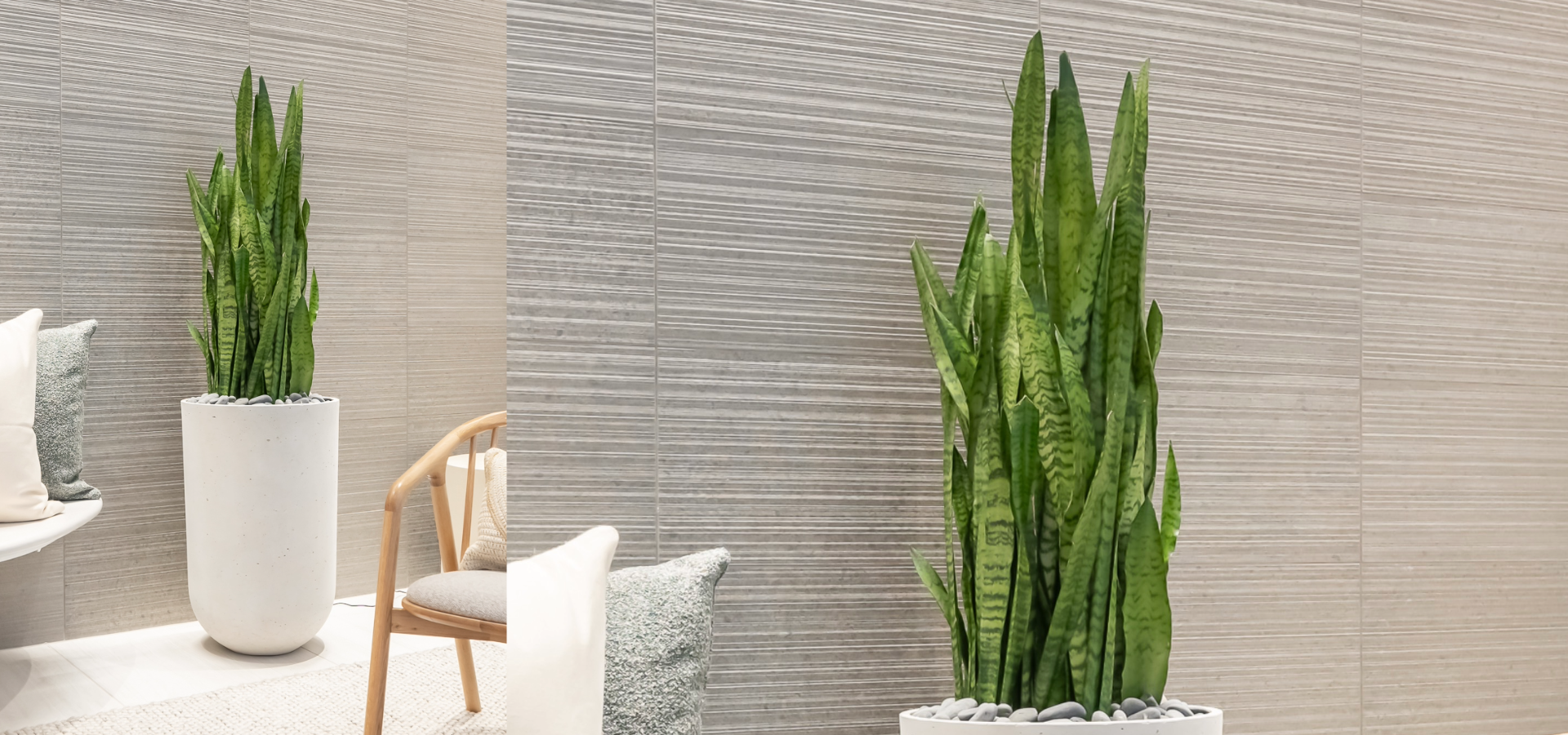
Light Needs: Low to bright, indirect light
Watering Tip: Water sparingly; occasional deep watering is usually sufficient. Leaves may become mushy if overwatered.
Why it works in offices: Virtually indestructible, with sharp lines and vertical growth that fit beautifully into contemporary spaces.
The Role of Lighting in Plant Selection
Light is one of the most critical factors in selecting the right office plant. While some plants, like the ZZ or Snake Plant, can tolerate low light and artificial environments, others, such as the Fiddle Leaf Fig and White Bird of Paradise, require ample natural light to thrive. During our consultations, we evaluate window placement, direction, and the duration of daily sunlight to ensure each plant gets exactly what it needs with no guesswork involved.
How We Keep Plants Looking Their Best
Plants aren’t set-it-and-forget-it. Even the most low-maintenance plants need a little attention. Our maintenance services include watering, fertilizing, pruning, dusting, and pest prevention. We also monitor for early signs of stress so we can take proactive steps. This not only keeps plants thriving, but protects your investment and ensures your space always feels professional and well cared for.
General Care Tip: For most indoor plants, a good rule of thumb is to water when the top inch of soil is dry. Avoid letting plants sit in water and check for signs of over- or underwatering, such as yellowing or drooping leaves.
Interested in bringing greenery into your workplace?
Request a FREE consultation: