
Drought-Tolerant Landscaping in Colorado
Beautiful Landscapes That Thrive While Conserving Water
If you’ve spent any amount of time in Colorado, you’ve probably learned to expect the unexpected. One winter brings abundant snowfall, while the next leaves us wondering when the moisture will arrive. This year has been a reminder of just how closely our landscapes depend on the seasons, particularly the snow that falls high in the Rocky Mountains.
For those of us who work with plants every day, these changing conditions aren’t just interesting—they influence every landscape we design and maintain.
At Bristol Botanics, we believe beautiful landscapes and responsible water use go hand in hand. By understanding Colorado’s unique climate and selecting plants that naturally thrive here, we can create outdoor spaces that remain vibrant while using water more efficiently.
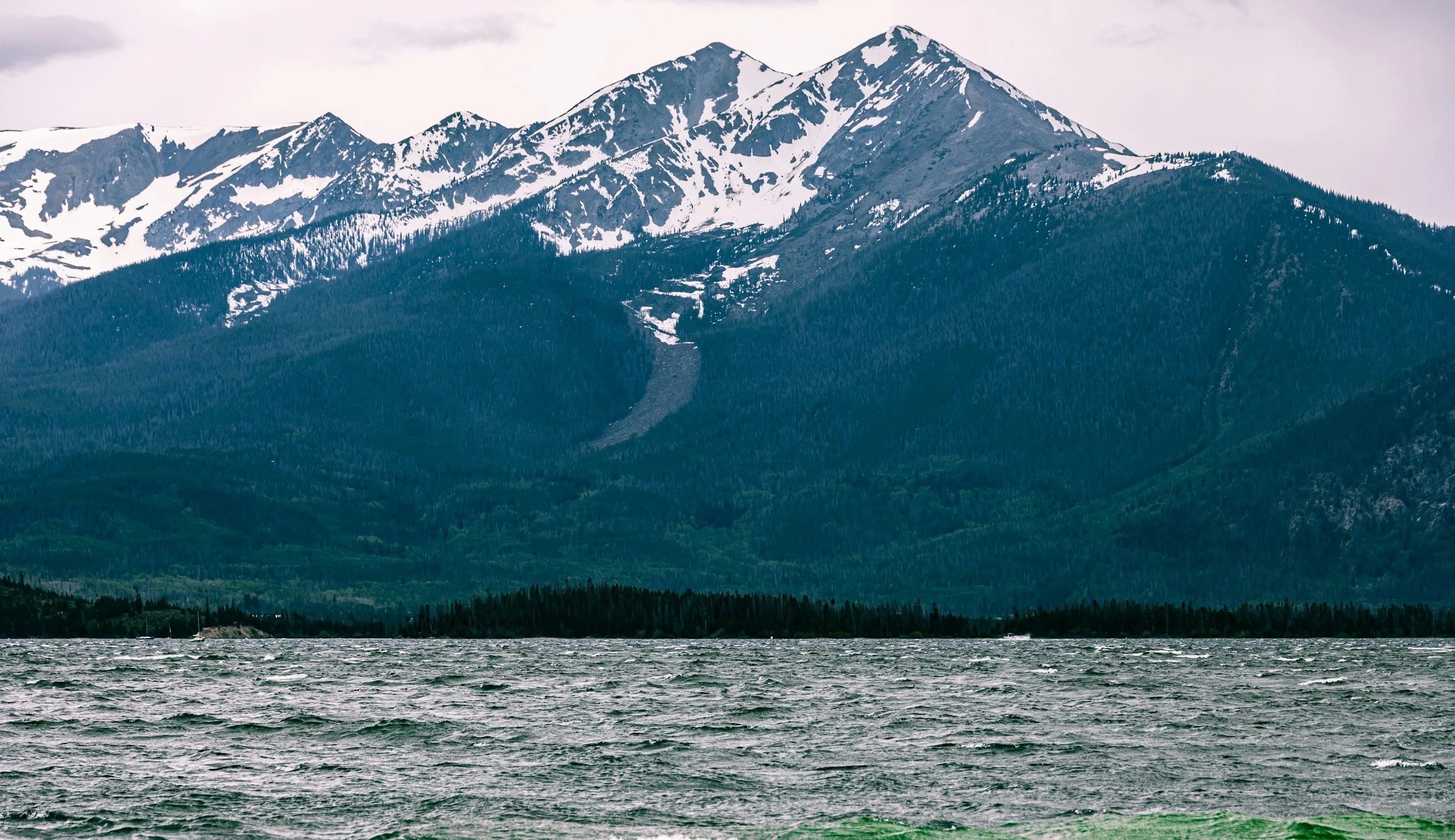
Dillon Reservoir (also known as Lake Dillon), a large freshwater reservoir located in Summit County, Colorado.
Why Colorado’s Winters Matter Long After the Snow Melts
Many people assume Colorado’s water supply comes from spring rainstorms. In reality, much of our water begins as mountain snow.
Throughout the winter, snow accumulates across Colorado’s high elevations. As temperatures rise in the spring, that snow slowly melts into rivers, reservoirs, and groundwater systems that supply communities throughout the Front Range. Think of mountain snowpack as Colorado’s largest natural reservoir.
When snowfall is below average, there is simply less water available throughout the summer.
This past winter was a perfect example. Below-average snowpack across much of the state has led to increased conversations about drought conditions and water conservation heading into the growing season. While a few late storms certainly help, one snowy weekend rarely makes up for months of below-average accumulation.
Denver Water has an excellent explanation of how snowpack impacts our annual water supply, and why peak snowpack matters so much each spring:
https://www.denverwater.org/tap/snowpack-its-all-about-peak
Colorado State University Extension also offers excellent information about drought and how it affects landscapes throughout the state:
https://drought.extension.colostate.edu/
Understanding these seasonal patterns allows landscape professionals to make proactive decisions instead of reactive ones.
Drought Doesn’t Mean Giving Up Beautiful Landscapes
When people hear “drought-tolerant landscaping,” they often picture gravel, cactus, and very little color.
Fortunately, that’s far from reality.
Some of Colorado’s most inviting commercial properties rely on plants that naturally perform well in our climate. Through thoughtful design, strategic plant selection, and efficient irrigation, landscapes can remain full, colorful, and welcoming while using significantly less supplemental water.
Water-wise landscaping isn’t about doing less. It’s about making smarter choices.
How Bristol Botanics Approaches Water-Wise Design
Every property is different, but our philosophy remains the same: put the right plant in the right place.
Before selecting a single plant, we consider how sunlight moves through the space, how people use the property, and what the landscape needs to accomplish throughout the year. These early decisions often have the biggest impact on long-term water use.
Some of the ways we help clients reduce unnecessary water consumption include:
• Selecting plants that naturally thrive in Colorado’s climate
• Grouping plants with similar watering needs so irrigation can be more efficient
• Monitoring irrigation systems to reduce waste
• Applying mulch to help soils retain moisture during hot summer months
• Maintaining healthy soils that absorb and hold water more effectively
These may seem like small details individually, but together they create healthier landscapes that require less water over time.
Some of Our Favorite Drought-Tolerant Plants for Colorado
One of the best ways to prepare for Colorado’s changing weather is by selecting plants that already know how to thrive here.
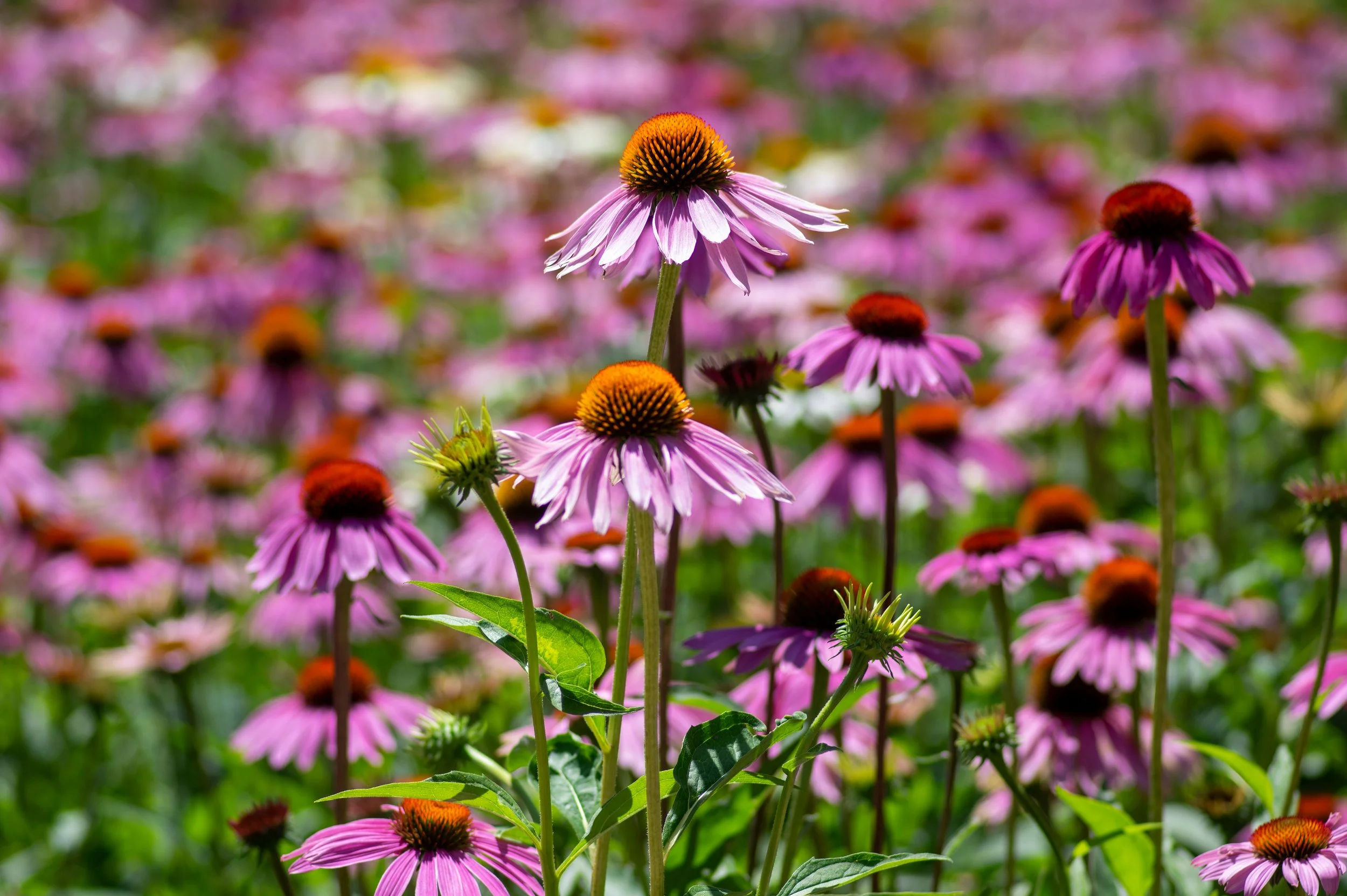
Purple Coneflower (Echinacea)
A longtime favorite for Colorado landscapes, coneflowers provide months of colorful blooms while attracting bees and butterflies. Once established, they’re remarkably resilient during dry periods.
Great for: Commercial landscape beds and pollinator gardens.
Yarrow
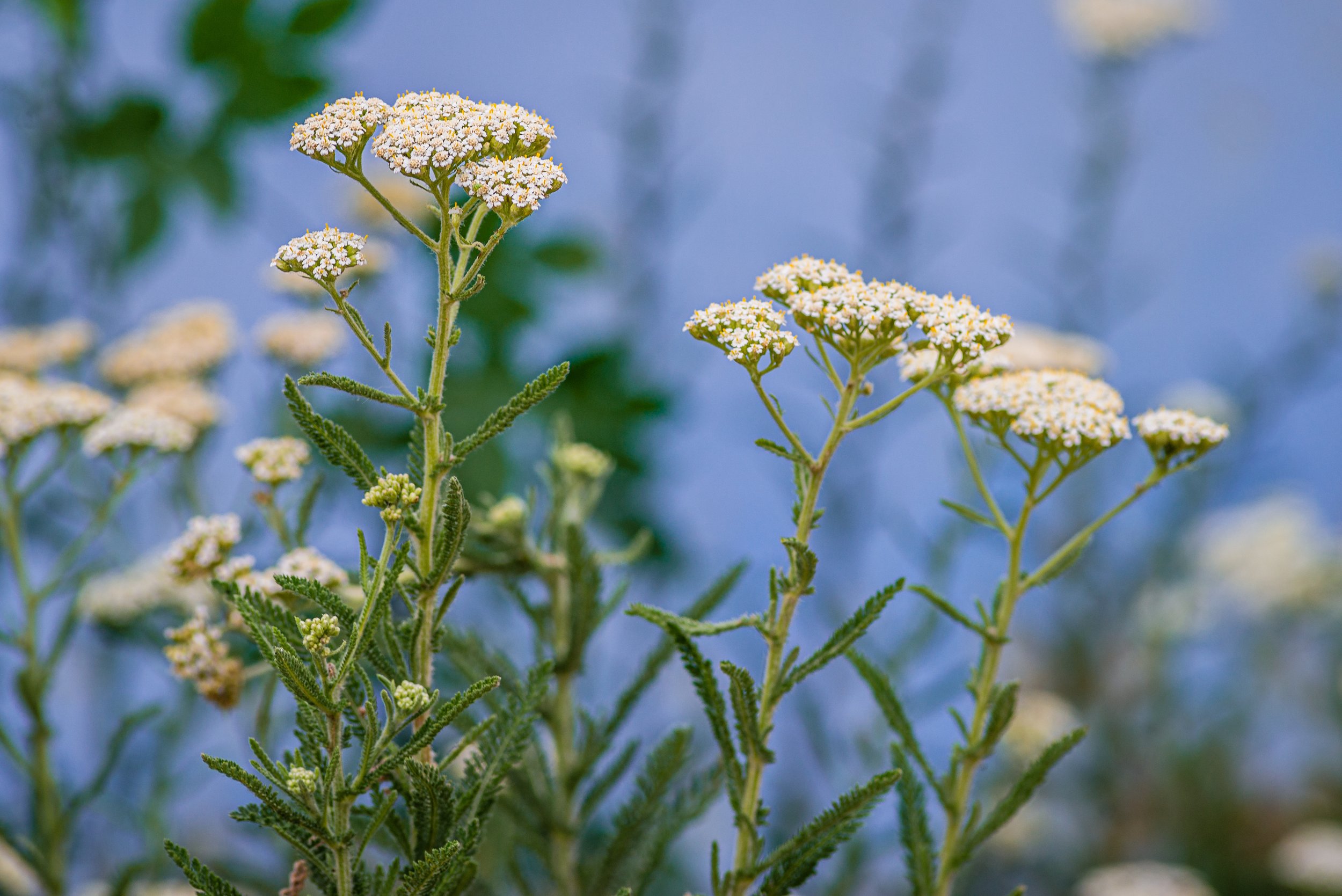
Yarrow is a workhorse perennial that performs exceptionally well in Colorado’s heat. Available in white, yellow, pink, and red varieties, it provides reliable color throughout much of the summer.
Great for: Mass plantings and sunny locations.
Penstemon
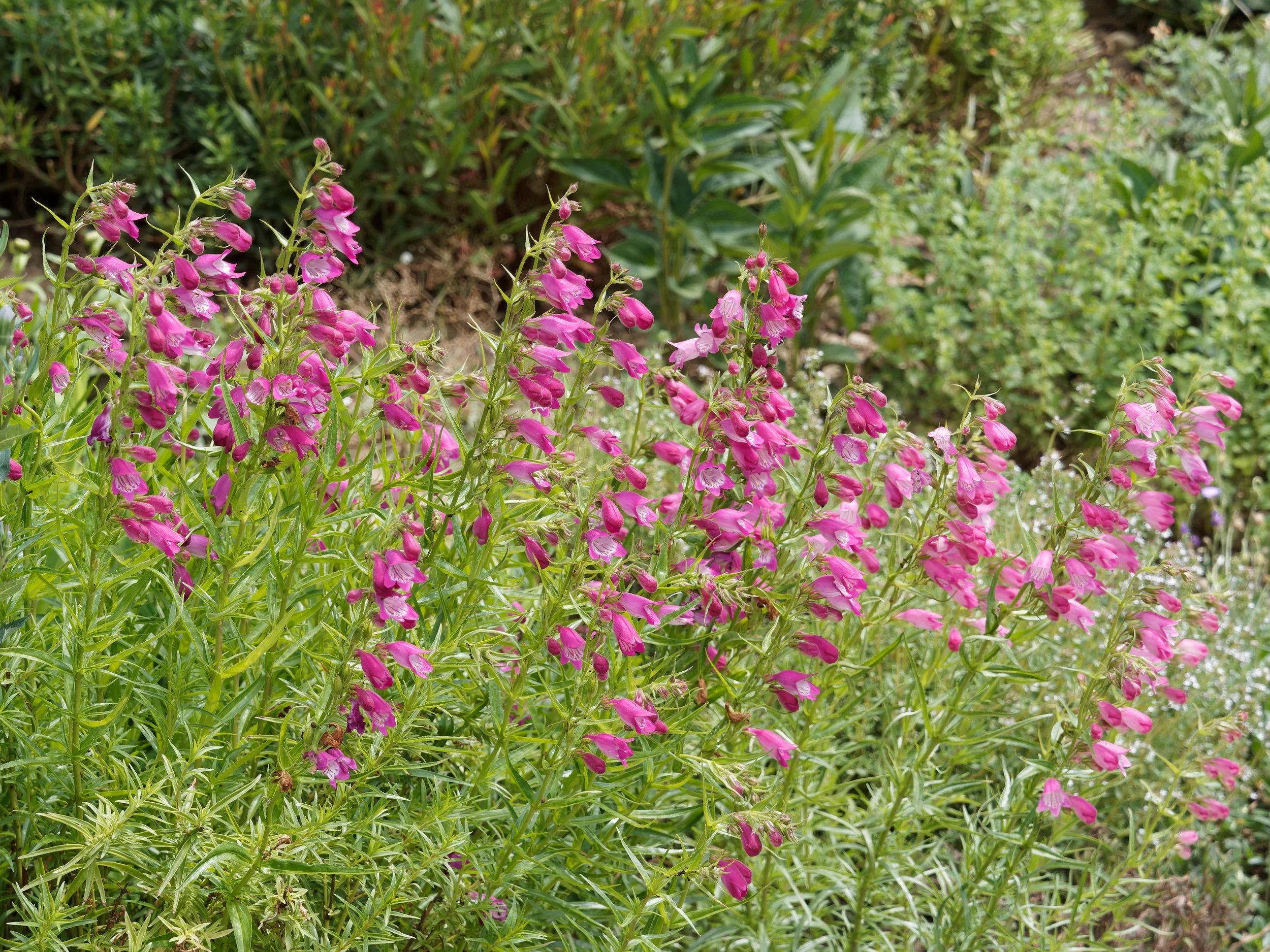
As a Colorado native, penstemon is naturally adapted to our climate. Its tall blooms attract hummingbirds while adding movement and vertical interest to landscape beds. *Often used as a seasonal ornamental grass in Colorado landscapes.
Great for: Native-inspired landscapes and commercial properties.
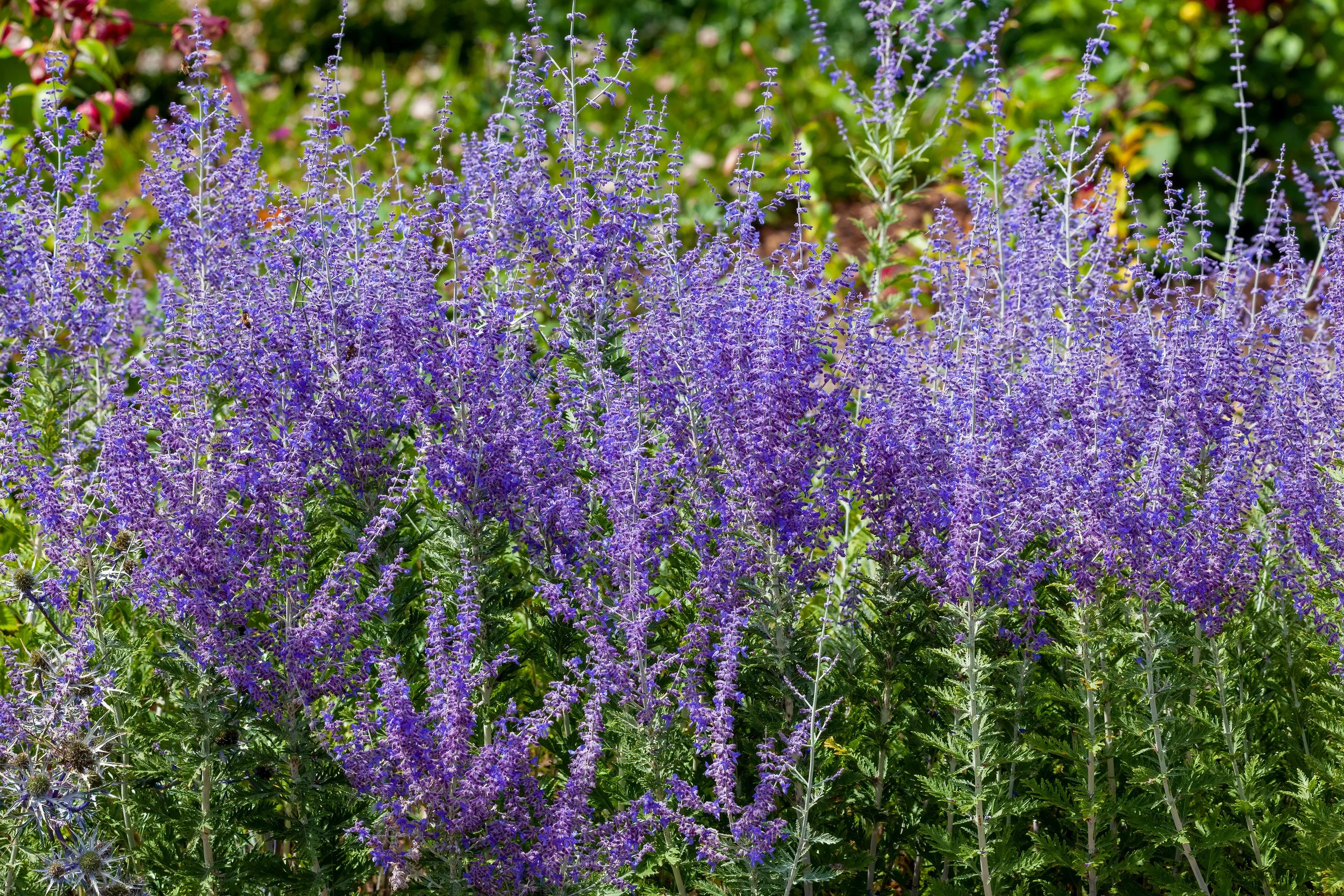
Russian Sage
Its soft lavender blooms and silver foliage have made Russian Sage a staple throughout Colorado. It tolerates heat extremely well and continues looking beautiful through much of the growing season.
Great for: Streetscapes, parking lot islands, and large commercial landscapes.
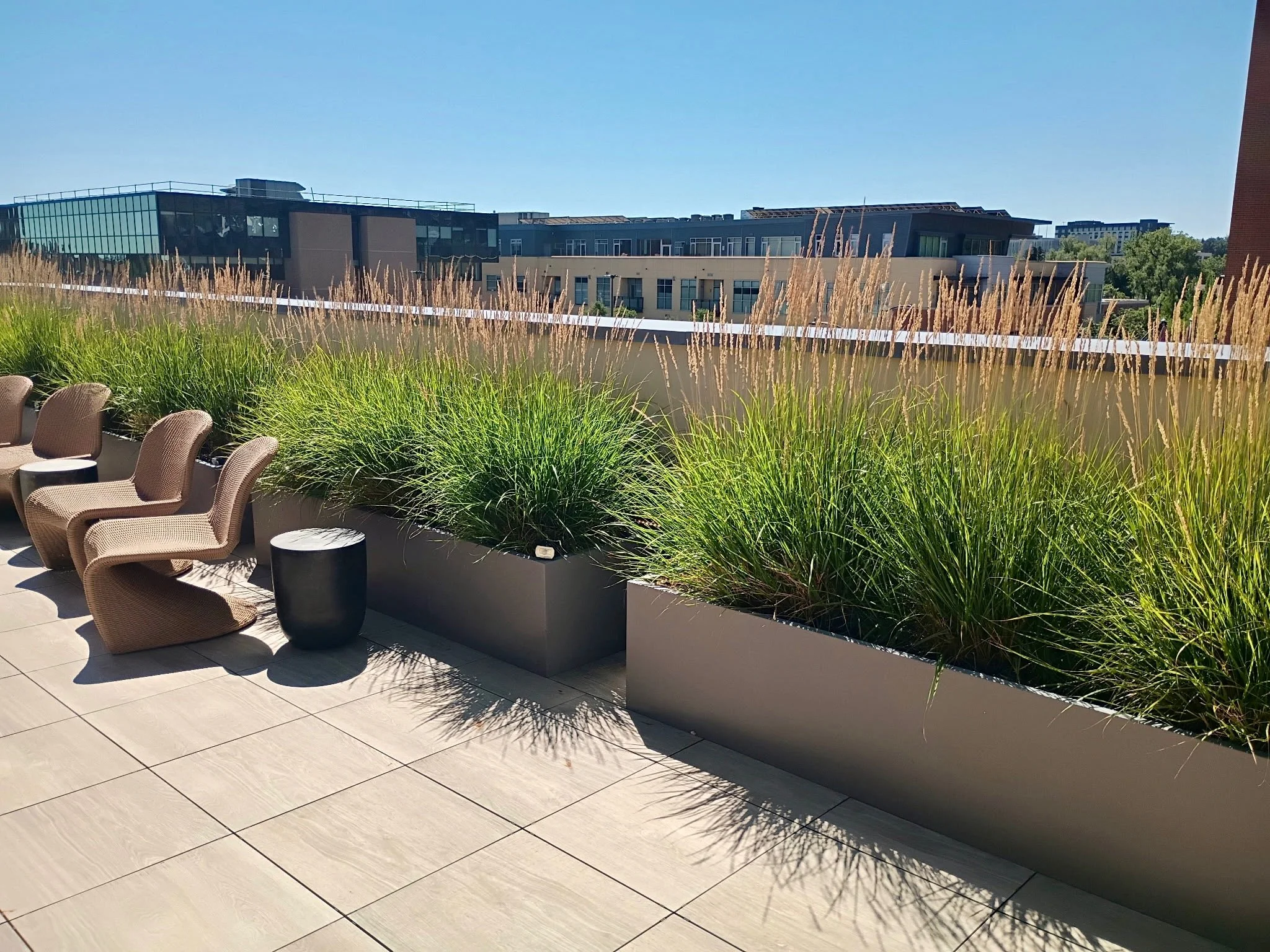
Karl Foerster Feather Reed Grass
This ornamental grass provides structure that lasts well beyond the flowering season. Even during winter, it continues adding visual interest.
Great for: Modern commercial entrances and architectural landscapes.
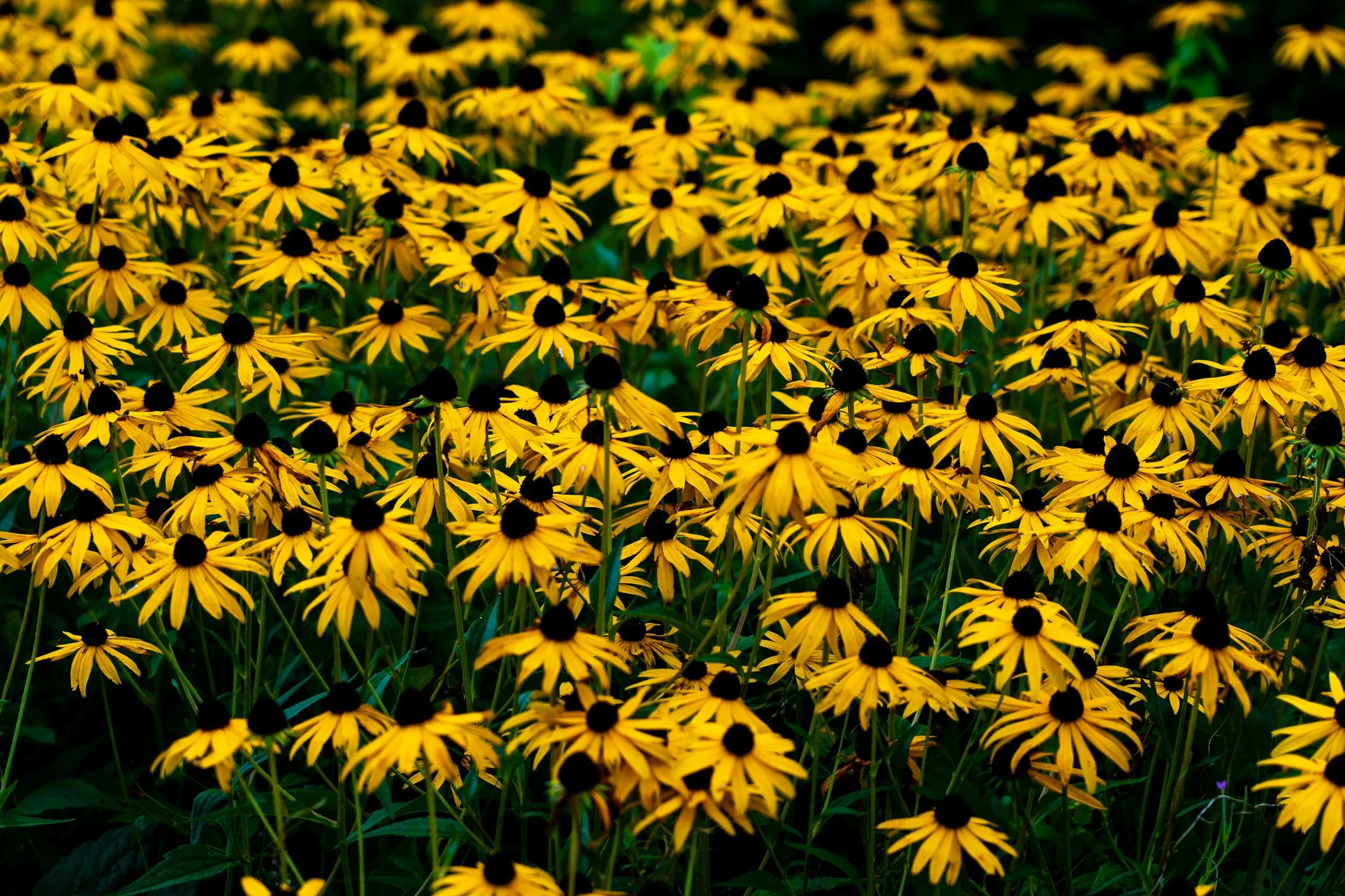
Black-eyed Susan (Rudbeckia hirta)
Known for its cheerful golden-yellow blooms and dark centers, Black-eyed Susan adds long-lasting color throughout the summer while thriving in Colorado’s sunny, dry conditions.
Great for: Pollinator gardens, borders, naturalized areas, and adding reliable seasonal color.
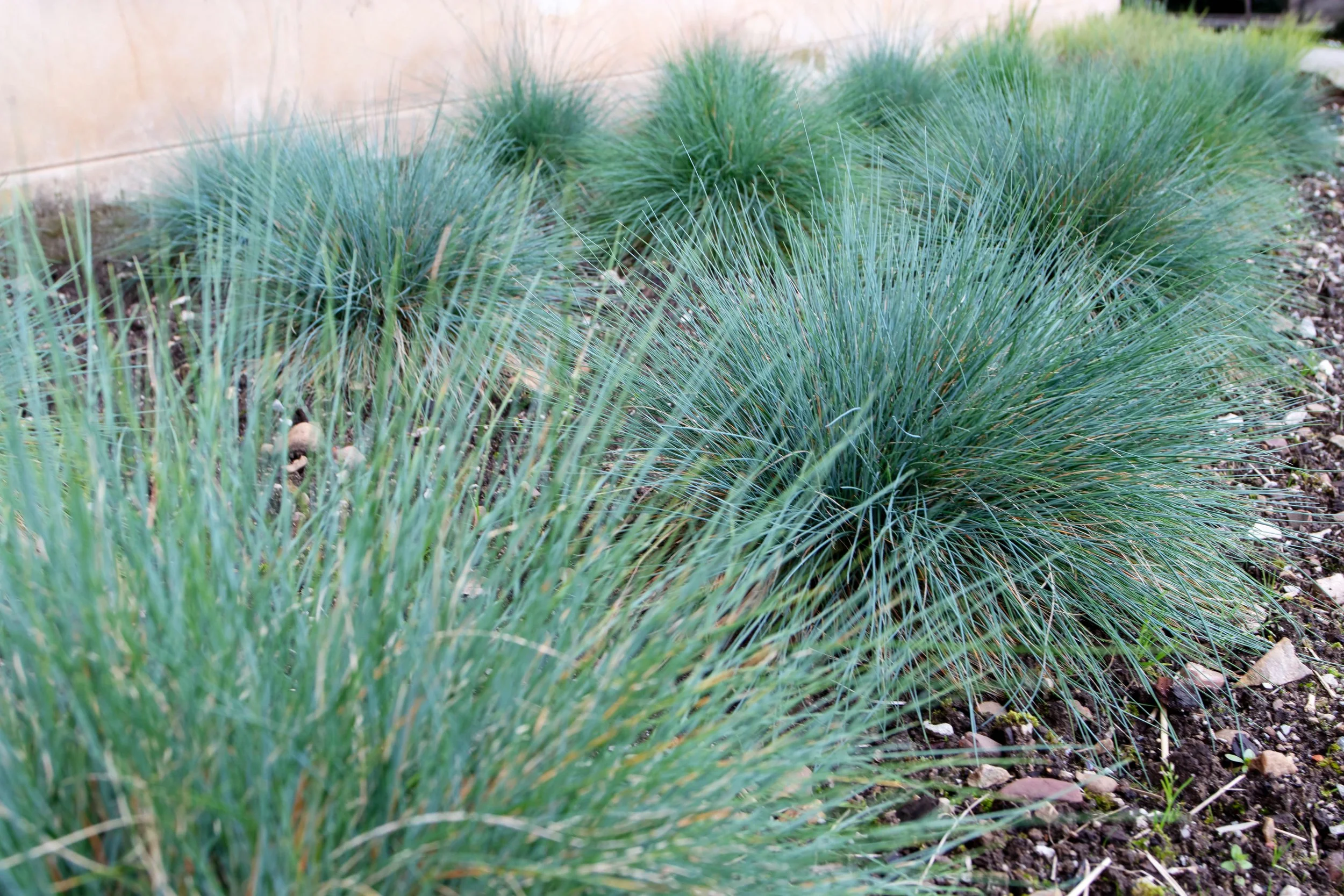
Blue Fescue
Compact and tidy, Blue Fescue adds texture and cool-toned color while requiring very little maintenance.
Great for: Borders, pathways, and container accents.
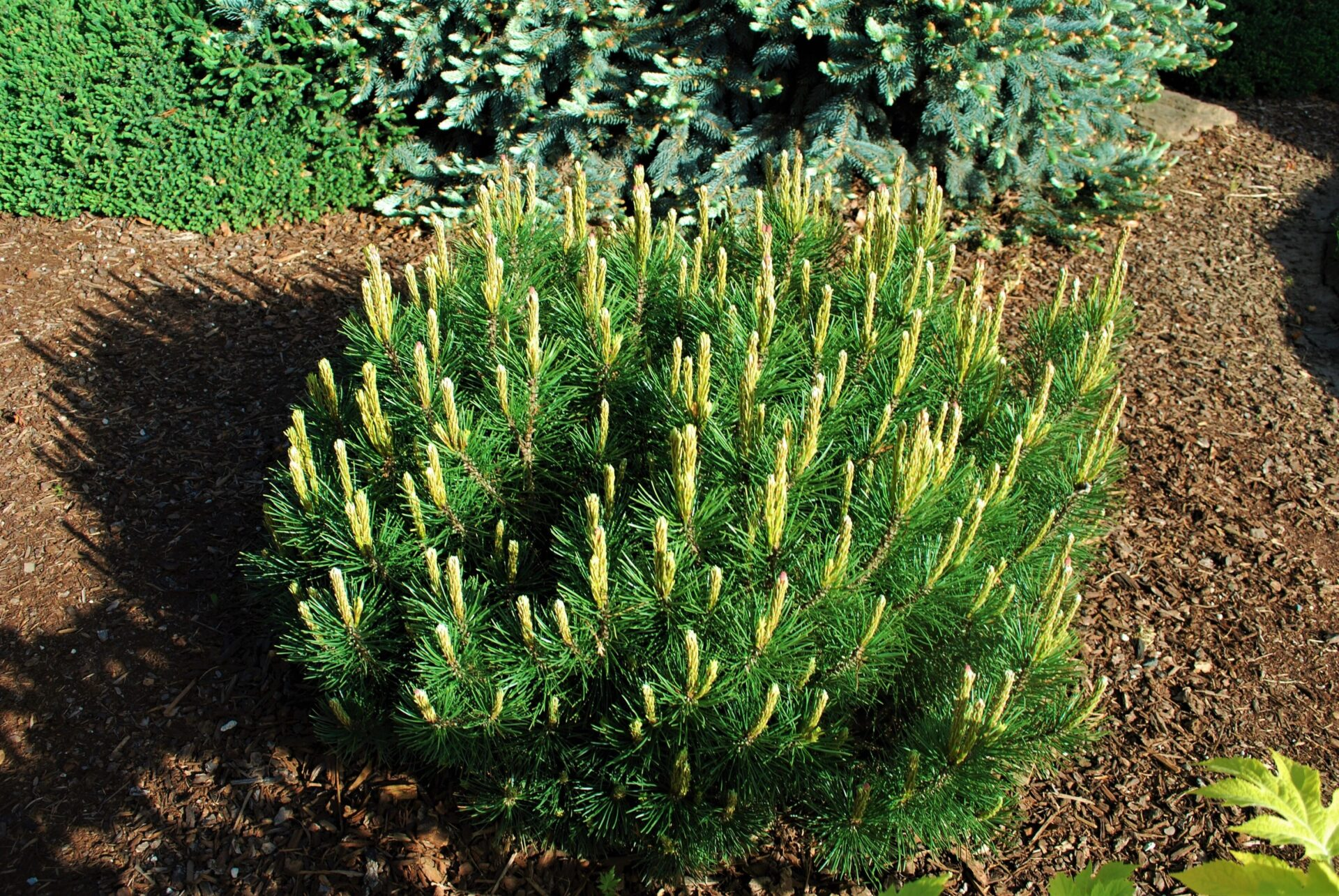
Mugo Pine (Pinus mugo)
A hardy evergreen shrub that provides year-round texture and structure. Mugo Pine is slow-growing, adaptable, and performs well in Colorado’s climate once established.
Great for: Foundation plantings, rock gardens, slopes, and year-round landscape interest.
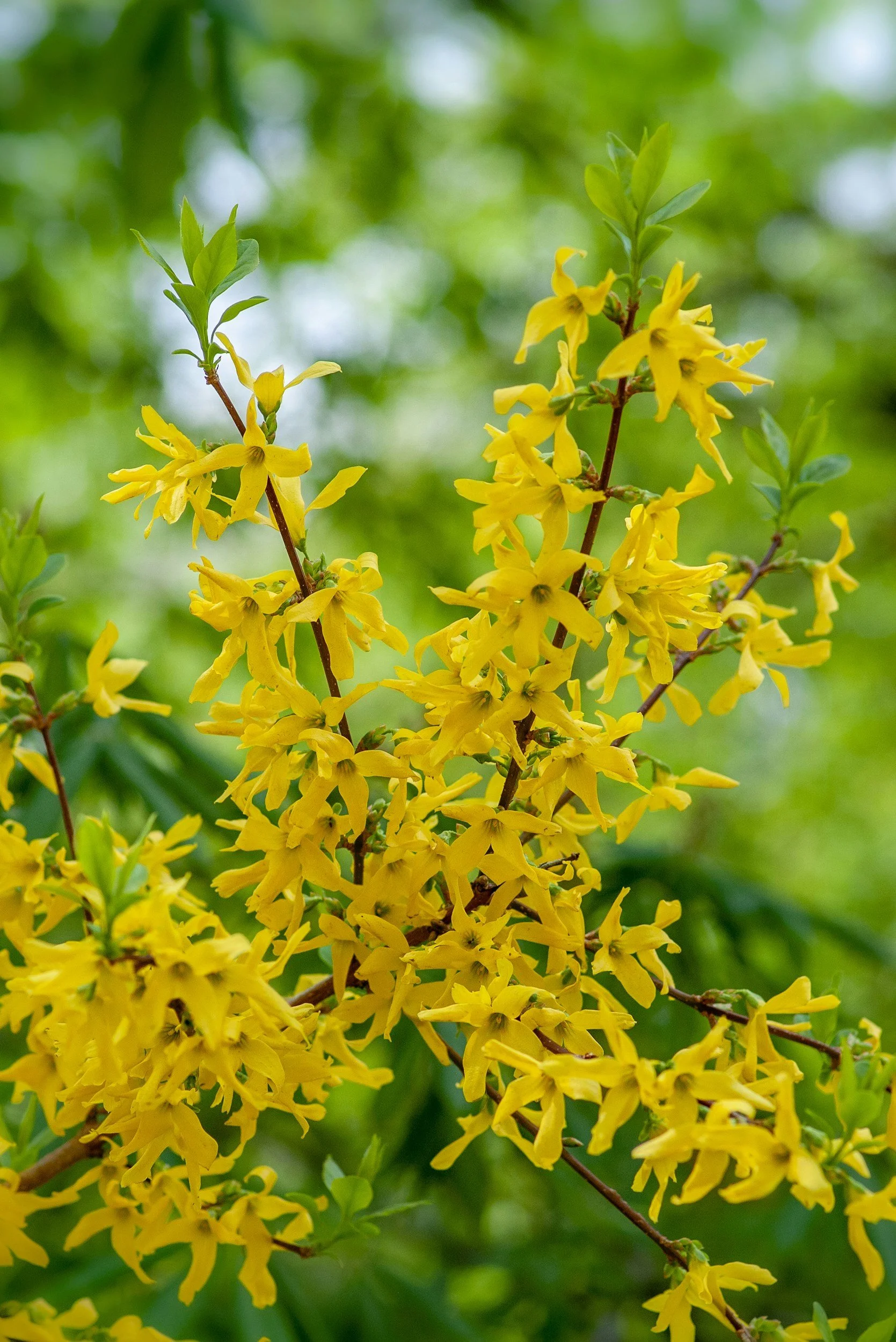
Forsythia
One of the first shrubs to bloom each spring, Forsythia brings vibrant yellow flowers before many other plants have awakened, creating an eye-catching early-season display.
Great for: Hedges, foundation plantings, borders, and adding early spring color.
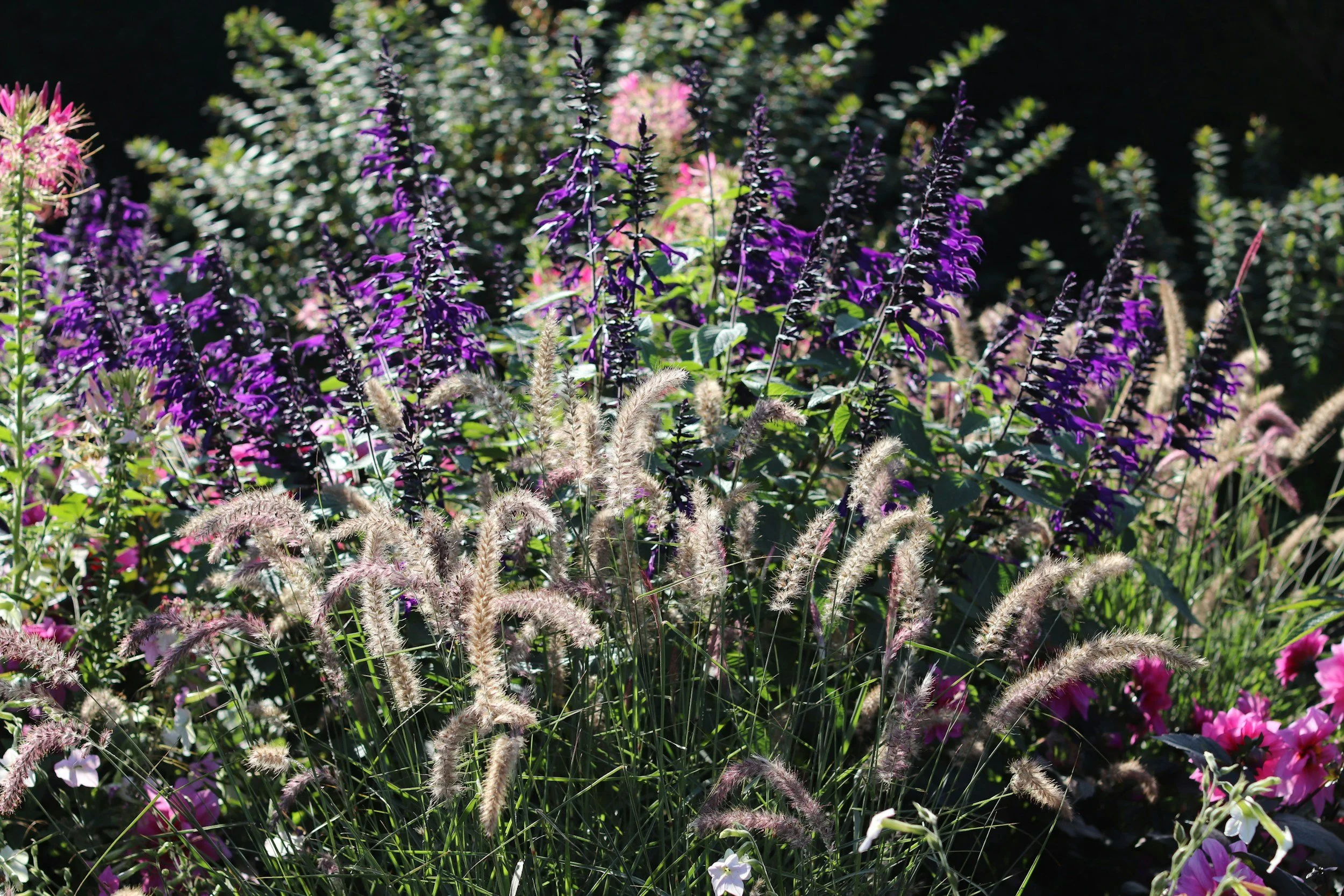
Pennisetum ‘Rubrum’ (Purple Fountain Grass)
With deep burgundy foliage and graceful arching plumes, Purple Fountain Grass adds movement, texture, and dramatic contrast to seasonal landscape designs.
Great for: Containers, accent plantings, mixed beds, commercial entrances, and seasonal displays.
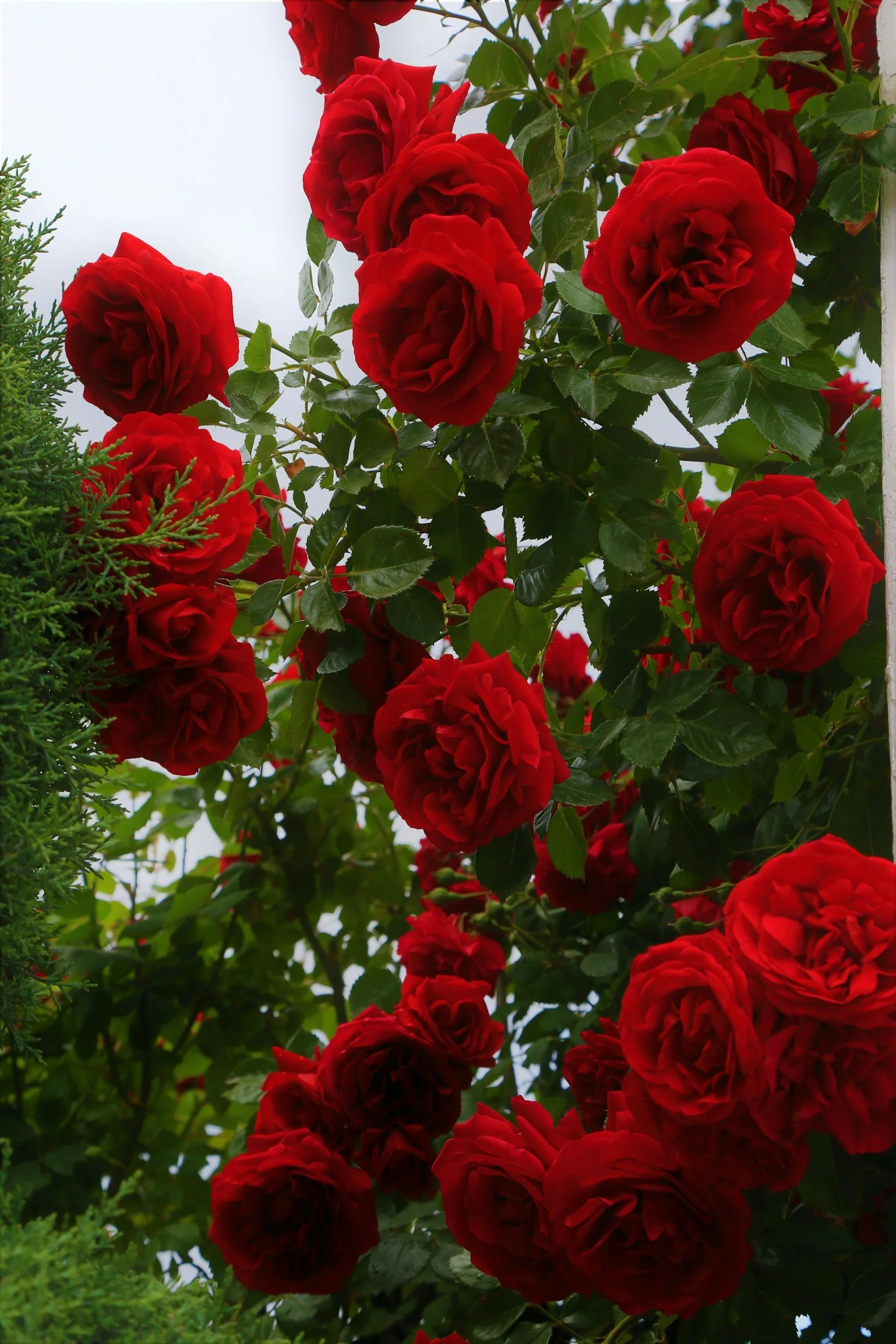
Rose Bush
A timeless landscape favorite, many shrub and landscape roses are surprisingly drought tolerant once established. They provide months of colorful blooms while adding structure, fragrance, and seasonal interest to Colorado landscapes.
Great for: Entryways, foundation plantings, mixed borders, commercial landscapes, and long-lasting seasonal color.
What About Seasonal Color?
One question we hear often is:
“Can seasonal flowers still be part of a water-wise landscape?”
Absolutely.
Annual flowers naturally require more water than established perennials, but thoughtful planning still makes them a valuable part of commercial landscapes. By using efficient irrigation, selecting heat-tolerant varieties, and placing seasonal color where it has the greatest impact, we can create vibrant entrances and welcoming outdoor spaces without unnecessary water use.
It’s all about balance.

Looking Ahead
Colorado’s climate has always required adaptability. Some years bring abundant snowfall. Others remind us why conservation matters.
Rather than waiting until drought restrictions are announced, property owners can prepare today by investing in landscapes designed for long-term resilience. Choosing plants that naturally thrive here, maintaining efficient irrigation systems, and making thoughtful design decisions all help create landscapes that are better equipped for whatever the next season brings.
Beautiful Landscapes Can Also Be Responsible
At Bristol Botanics, we believe sustainability doesn’t mean sacrificing beauty.
It means designing landscapes that work with Colorado’s environment instead of against it. By selecting climate-appropriate plants, maintaining healthy landscapes, and continuously evaluating how our properties perform throughout the seasons, we’re able to create outdoor spaces that are both beautiful and responsible. Colorado’s landscapes are always changing. With thoughtful planning, they’ll continue to thrive for years to come.
Additional Resources
To learn more about Colorado’s climate and water conservation, we recommend these excellent resources:
• Denver Water – Snowpack and Colorado’s Water Supply
https://www.denverwater.org/tap/snowpack-its-all-about-peak
• Denver Water – Water-Wise Landscaping Resources
https://www.denverwater.org/conservation
• Colorado State University Extension – Drought Resources
https://drought.extension.colostate.edu/
• Colorado State University PlantTalk – Xeriscape Basics
https://planttalk.colostate.edu/topics/water-wise-xeriscape/1901-xeriscape-basics/